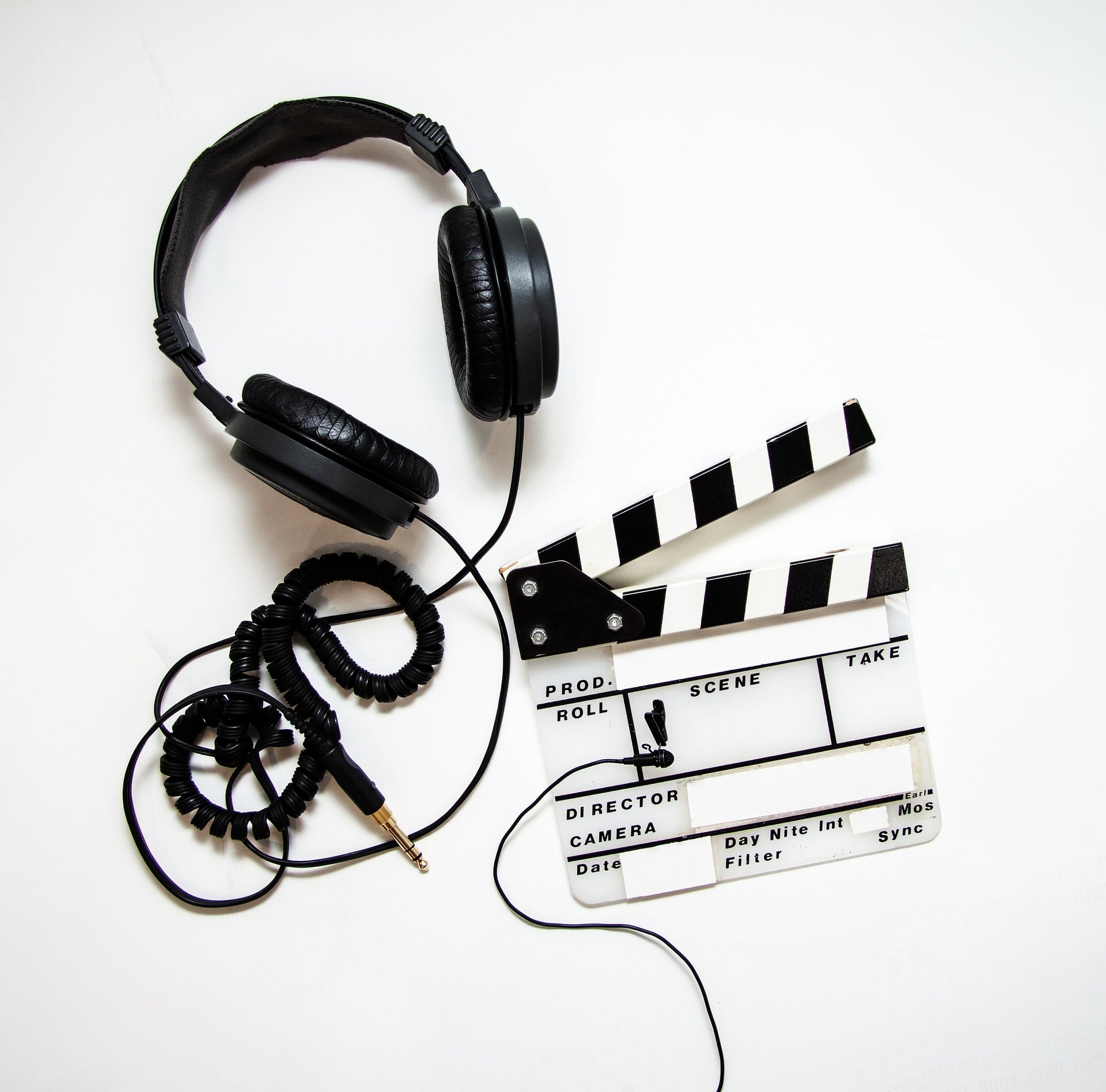
Video is one of the best ways of selling a company or organization to potential new hires. The visuals and information you share in a recruiting video will show, rather than tell, prospective employees about your company, and let them have an inside look into where they may be working.
Video is becoming one of the most consumed forms of content. People are now watching billions of hours of video daily on platforms like YouTube and Facebook. With more and more people watching video online than they were a year ago, using video as a method to attract top talent and market your company is a strategy that should not be overlooked. In a recent study, CareerBuilder found that job postings with video icons are viewed 12% more than postings without video, and that companies receive a 34% greater application rate when they add video to their job postings.
A thoughtful and compelling recruiting video gives your company a personality. It’s also a way to share your company’s culture and environment with potential new hires. It can make your organization stand out and inspire people to want to be a part of it. To help get you started, we’ve put together a few tips to produce recruiting videos that prospective employees will love.
Define Your Goals and Plan Your Content
Identify what your video will focus on. Do you need to make a general recruitment video about your company to add to every job posting? Or do you want to highlight a department within your organization? A general recruitment video should share your company culture, while a department-specific video might feature employee testimonials and a day-in-the-life of an employee of that department. You may discover that you need to make a series of videos that each feature a specific department or geographic area as well as a general company culture video.
Share What Makes Your Company Unique
The most talented employees have lots of options of where they are going to work. Find a way to show how your company is different from the others they are considering. Do you promote volunteerism or are you involved directly with any philanthropic organizations? Do you offer tuition reimbursement? Do you have any special company outings or events? Incorporate whatever it is that makes your company unique in your recruiting video messaging.
Feature Your Employees and Customers
Turn the microphone over to your employees and customers. Highlight relatable employees from different geographic locations and backgrounds. By featuring a diverse group of people, you are helping prospective candidates envision themselves working for your company in similar roles.
Ask Thought Provoking Questions
Instead of using scripted content, let your current employees and customers tell their stories in their own words. Ask open-ended questions and allow employees and customers to talk freely about why they enjoy working for your company or why they chose your company to do business with.
Keep Your Video Short
Respect your audience’s time and keep your recruiting video under 3 minutes. SkillScout reviewed over 450 company and job videos on YouTube and Vimeo and concluded that the amount of time candidates spent watching recruiting videos is 1 minute and 36 seconds. If your video is long, meandering and features lengthy speeches by CEOs and VPs, chances are that your potential new hires have already tuned out and moved on.
Tell Candidates What to Do Next
Make sure to include a call to action that tells prospective candidates what to do after the recruiting video concludes. Include a link directly to the online job application or your company’s careers page. Be forward and direct to let candidates know exactly how to apply to your open positions.
Promote Your Recruiting Video
Don’t make the mistake of only uploading your recruiting video to your company’s website. Broaden its audience by uploading it to job posting websites such as CareerBuilder and GlassDoor as well as YouTube and Vimeo. Ensure your video is shareable and upload it to all of your company’s social platforms.
By leveraging video to attract top candidates, you can start making engaged viewers your next best employees. If you have any questions about creating recruiting videos or want to learn more about how video marketing can help your business, contact us at Millennium Agency today.
About Millennium Agency
Millennium Agency is a national, award-winning, digital, creative, content/PR, and video marketing firm. With offices in Boston and New Hampshire, our team unites creative branding and data analytics to accelerate our clients’ growth, while combining our clients’ vision with our marketing expertise to increase sales opportunities and drive brand success. From video advertising and web design to social media and PR, Millennium can guide your marketing efforts every step of the way. Contact the professionals at Millennium Agency to learn more!
Linda Fanaras is the President and Founder of Millennium Agency located in Manchester, NH, and Boston. She can be reached at 877-873-7445 or [email protected].
Native advertising and display advertising are both important components of an integrated marketing strategy. People often use these two terms interchangeably, but they do not describe the same thing. The key difference between these two forms of paid advertising is in their placement. On one hand, display ads are superimposed on content to grab the viewer’s attention and “stand out.” On the other hand, native ads are placed within a website’s content to match its style and appear “natural.” Let’s take a closer look at display ads vs native ads:
What is Native Advertising?
Native advertising blends promotional content with the rest of the content—the native content—of a web page. Native ads match the look and feel of the website they inhabit. As a result, they are far less intrusive than other forms of digital advertising. The Interactive Advertising Bureau defines native ads as “a form of paid media where the ad experience follows the natural form and function of the user experience in which it is placed.”
What Does Native Advertising Look Like?
When you create native ads, you build them into a site’s design and they exist as part of the site’s content. Examples of native advertising on websites and social media platforms include “sponsored” or “paid” content posts, pay-per-click (PPC) search engine marketing campaigns, “advertorial” articles in newspapers and magazines, and infomercials on TV. Native ads have an editorial look and feel and are less obtrusive and hard selling than other forms of digital advertisements. Native ads commonly appear as text, images, videos, audio, links, social media posts, etc. They are often used to promote products and services within the context of a news article, blog post, video, or podcast, as in the example below from WIRED:

The Benefits of Native Advertising
Native advertising is ideal for driving traffic to your website and has a higher click-through rating (CTR) than display ads. According to a recent study, native ads are viewed 52% more than display ads, and they contribute to greater brand awareness. Consumers also interact with native advertisements 20% to 60% more than they do with standard display advertisements.
What is Display Advertising?
Simply put, display advertising is a visual-based form of online advertising that communicates a commercial message and is superimposed on the users’ experience. Display ads help promote businesses whenever people are browsing online, watching YouTube videos, checking their email, or using mobile devices and apps.
What Does Display Advertising Look Like?
Unlike text-based ads, display ads show up on websites, apps, and social media platforms—not in SERPs (Search Engine Results Pages). The original name for display ads was “banner ads.” Banner ads showed up as hyperlinked, image-based ads shaped like a banner, or strip. These ads were usually located at the top of a web page. Eventually, banner ads evolved into display ads, which now include interactive elements such as videos, pop-ups, and more. See the example of a display ad from Amazon’s home page below:

The Benefits of Display Advertising
Display advertising, much like native advertising, can boost brand awareness and intent to purchase. Display advertising is especially helpful in familiarizing your audience with your brand and creating initial interest. In fact, a recent study found that brand awareness increased by 21% in campaigns that utilized digital display ads. Display ads also allow for remarketing opportunities. Remarketing allows your business to position targeted display ads in front of a specific audience. The benefit here is that this audience segment has previously engaged with your ad, i.e., visiting your website. Once a potential customer knows about your brand, a well-placed display ad can remind them to make a purchase.
Display or Native Ads—or Both?

Programmic advertising—the automated buying and selling of online advertising space—has made placing native advertisements easier than ever. Since many consumers use pop-up blockers (or similar software), native advertising is a good workaround marketing option. However, because of the reasons we just outlined, display ads are still relevant and especially important for building brand awareness and retargeting opportunities. Smart marketers will use their budgets to effectively create a combined content distribution strategy that will leverage the strengths of both native and display ads.
Planning and executing a digital advertising campaign can be overwhelming and time consuming. Let the marketing experts at Millennium Agency create a step-by-step plan specific to your business. Give us a call to discuss your marketing goals today.
About Millennium Agency
Millennium Agency is a national, award-winning, digital, creative, content/PR, and video marketing firm. With offices in Boston and New Hampshire, our team unites creative branding and data analytics to accelerate our clients’ growth, while combining our clients’ vision with our marketing expertise to increase sales opportunities and drive brand success. From video advertising and web design to social media and PR, Millennium can guide your marketing efforts every step of the way. Contact the professionals at Millennium Agency to learn more!
Linda Fanaras is the President and Founder of Millennium Agency located in Manchester, NH, and Boston. She can be reached at 877-873-7445 or [email protected].
Visual storytelling is an all-important aspect of most social media campaigns. In fact, 32% of marketers agreed visual content was the most important asset in their strategy, with blogging in second place at 27%, according to the 2018 Social Media Marketing Industry Report.
Thanks to the invention and innovation of the smartphone, every marketer and business owner can create visual content, simply by taking and posting great photos of their products, employees, and company events on social media. However, creating compelling, eye-catching, and professional-looking imagery—photos that get people to click—takes practice. So, we wanted to take you through what we think are the best social media photography techniques, so you can create a library of professional-looking photos for your business.
Lighting Plays a Crucial Role in the Quality of your Picture
The key to great lighting for social media photography is to use a natural light source as often as possible. Planning on shooting indoors? Position your subject close to the windows. If you must use artificial light, avoid using flash and make sure your lighting source is behind you, shining on your subject. When taking photos with a smartphone indoors, use a higher ISO setting (up to ISO 3200). If you take most of your photos indoors, it may be worthwhile to invest in a three-point lighting system. This setup will eliminate the shadows and color casts that make indoor photography look hard and flat.
Composition: Use the Rule of Thirds
A basic tenet of photography composition is to follow the rule of thirds. How? Start by using your imagination to divide the photograph you are about to take into three blocks. Next, position your subject in either the left or right block, snap the photo, and voila! You’ve created a compelling and professional-looking image. Need help visualizing your image? Most smartphones have a grid setting that you can turn on to help you determine how to take the photo.
Refrain from using the rule of thirds in every aspect of your social media photography. For example, the rule of thirds won’t work for profile pictures on social platforms because they are square. Similarly, in product detail images for ecommerce websites, the subject should remain in the center of the photograph.
Remain Consistent in Branding & Style
Your company should have a style guide for choosing backgrounds and subjects, and things of that nature. Be sure to follow it closely to ensure your social media photography reflects your brand’s guidelines and stays consistent. For example, a bold, bright image will not match a brand that is neutral and minimalistic—even if you’re sharing a photograph of a company surprise party. Try to match the look and feel of your company in your photography to tie your brand together. Take photos in front of your offices or stores to highlight your branding. You can even use your trade show booth as background.
Pay Attention to Sizing
Sizing images correctly for social media is no simple task. There are specific photo size and resolution requirements for each social media platform as well as variances according to where and how each image is displayed. For example, a shared photo on Facebook has a different recommended upload size than an event page photo or a shared link. Luckily, many social media management software companies post regularly updated guidelines to social media photography and image sizes that can be used as resources.
Edit Your Photos Carefully
Even if you’ve just captured a great-looking image directly from your camera or smartphone, do not post it to social media without editing it carefully. Your smartphone camera’s built-in filters allow you to adjust for contrast, exposure, highlights, and shadows, and even simple tweaks like cropping and straightening can improve your photo dramatically. If you want to try advanced options, the editing software Lightroom or Photoshop are both used by most professional photographers.
If you’re still unsure about taking photos for social media—or you need help with any aspect of your social media strategy—contact the professionals at Millennium Agency today. Our team of experienced photographers and social media experts know how to enhance your public image, drive traffic to your website and social channels, and get more leads.
About Millennium Agency
Millennium Agency is a national, award-winning, digital, creative, content/PR, and video marketing firm. With offices in Boston and New Hampshire, our team unites creative branding and data analytics to accelerate our clients’ growth, while combining our clients’ vision with our marketing expertise to increase sales opportunities and drive brand success. From video advertising and web design to social media and PR, Millennium can guide your marketing efforts every step of the way. Contact the professionals at Millennium Agency to learn more!
Linda Fanaras is the President and Founder of Millennium Agency located in Manchester, NH, and Boston. She can be reached at 877-873-7445 or [email protected].
Hi this is Rob Atkinson, with this week’s episode of the podcast. And today we’re going to be talking about the characteristics of a good news release in the digital age. Now if you don’t know this, local news is changing and if you’re still sending a fax to the newsroom and thinking you’re going to get your story covered. Well, guess again. OK. Fax is probably an exaggeration, but you get the idea.
Television newsrooms are reinventing themselves and most newsrooms recognize that the most compelling way to tell stories in a digital age is an all-day story experience that starts with social engagement, and that gives updates on digital, context on broadcast, and then offers extras with digital follow ups and then continues with a social conversation.
So, I ask you this how does your news release fit with that new type of model? Does your pitch have a breakout component for social, web, and television? And if so, how could they capitalize on the social engagement you are generating from the story? And also, I want you to think about: is there a different angle that you’re pitching for web and television? And most importantly if your story is big enough, how can the station capitalize on this all-day format?
So, for example imagine your organization is holding a shred-a-thon, that television news station could be out at your company all day long with live reports, updates on Facebook, updates on social media, and you could really own the day.
Keep thinking about what’s the pitch for social, web, and TV in that case. Now reporters are always looking for stories that teach something or will create new skills for the audience through their storytelling. I’ve said this in other podcasts, but you got to make a relationship with a writer or editor in your area. Remember, you have to understand what type of story they want and craft the news release to fit that criteria.
Television newsrooms are reinventing how they report the news and you’re going to get a lot more traction for your client and your business. If you start to change too, and the first step we have to take is stop calling it content marketing. It takes all the passion out of the writing. Don’t tell a story you aren’t passionate about, know your material, spend time and research the subject. You can’t leave your audience with unanswered questions. I see this all the time.
You have to make a list of the questions you have about a story and then take the extra step to ask two or three other people what questions they have. It’s going to make a much better story, and you have to edit and when you’re done with editing edit and then edit some more. The shorter the better. I’ve been writing for 20 years and I’ve never written anything of value that didn’t take time patience, and hard work and the same is true with good writing.
You want to know my trick. The real trick is that you wake up early and write. You’ll find that writing comes much easier to you after a good night’s sleep and also remember when you’re crafting these stories. The best stories are the stories that teach, and the best storytellers can share life lessons.
Let the stories speak to the audience in its own way and then skip the need to tell them what you think. If you must do the moral of the story, ask your audience first to tell you what they think. I guarantee you their answers might teach you and surprise you. Also consider being observer of life. Look for real life examples and words to make your storytelling authentic.
Don’t overuse words that no one uses in real life. In television news I always hated when that anchor says, “the house was fully engulfed.” Trust me, no one has ever driven by a house on fire and yelled “fully engulfed, get out.” Also, when you’re writing, consider visuals, visuals should never be an afterthought. When you start writing, think about the best way to showcase your ideas. Do you have a good photo? Maybe an info graphic. Use them and then write to those assets. And finally, I just want to leave you with this thought. Always have a hero to your story and then use that hero to create a memorable moment you’re going to leave with the audience. Plan for it. Write to it and then finally, edit some more.
If you want to learn more about this week’s topic e-mail me at [email protected]. We’d love to help you succeed.
Healthcare marketing is entering an age of unprecedented transparency. Hospitals and medical practices are making strides toward more consumer-focused healthcare in the wake of recent federal regulations. The Centers for Medicare & Medicaid Services (CMS) recently proposed new rules about how hospitals must share pricing information. The goal is to avoid “surprise medical bills,” or unexpected charges faced by insured patients when a member of a healthcare team that treated them is considered an out-of-network provider.
Hospitals are now required to be transparent about the items and services they offer. They will need to disclose how much they’ll cost by publishing “chargemasters,” or list prices for both gross charges and payer-specific negotiated charges.
However, hospital chargemasters are very difficult to decipher. This is because they include thousands of individual hospital services, often listed in incomprehensible abbreviations. To the average consumer, these are all but incomprehensible. Why? Because the average consumer doesn’t purchase individual services from hospitals or know exactly what services they will need.
How can a hospital comply with the regulations and make it easy for consumers to find price information?
The answer is simple. Give customers the information they want in a format they are familiar with. Take a retail approach by offering bundled pricing, personalized price quotes, and price comparison tools for shoppable healthcare services. These are common, widely available services that most patients pay most or part of.
By grouping health care products and services into units that patients understand, customers will know exactly what they are getting for their money. List bundled pricing information for core services (such as surgeon, facility and anesthesia fees), the price of start-to-finish procedures, and hospital stays (price per length of stay). Bundled pricing can be advertised online through pay-per-click advertising, paid social advertising or other digital marketing strategies.
Pre-visit, personalized price quotes will also help customers avoid the aforementioned “surprise medical bill.” They would also be helpful to insured patients, who never pay the full sticker price (listed on the chargemaster) of a service because insurance companies bargain with hospitals and doctors for discounted rates.
An online price comparison tool, available on a hospital’s website, would be a helpful healthcare marketing tool. It would allow patients to compare the cost of various tests and procedures based on their specific insurance information. This tool could also be advertised through various digital marketing campaigns.
Takeaway
Healthcare price transparency is happening now—and it’s changing the way hospitals and other providers market and advertise their services. Integrate pricing into your healthcare marketing strategy, adjust pricing to stay competitive, and advertise your most popular, economical services. Healthcare organizations that leverage these new regulations will be most equipped to become industry leaders in the era of price transparency and consumerism.
Learn more about healthcare transparency marketing by downloading our eBook or giving us a call to discuss how Millennium Agency can help your hospital or medical practice market your services in a way that will attract and retain potential customers.
About Millennium Agency
Millennium Agency is a national, award-winning, digital, creative, content/PR, and video marketing firm. With offices in Boston and New Hampshire, our team unites creative branding and data analytics to accelerate our clients’ growth, while combining our clients’ vision with our marketing expertise to increase sales opportunities and drive brand success. From video advertising and web design to social media and PR, Millennium can guide your marketing efforts every step of the way. Contact the professionals at Millennium Agency to learn more!
Linda Fanaras is the President and Founder of Millennium Agency located in Manchester, NH, and Boston. She can be reached at 877-873-7445 or [email protected].