
Your website may be getting traffic, but traffic alone does not grow revenue.
Many CEOs look at rising visits, healthy ad spend, or steady brand awareness and assume the digital experience is working.
Then pipeline slows, lead quality drops, and sales asks the same question:
Why aren’t more visitors converting?
In many cases, the market opportunity is there. The real problem is how easily prospects can take the next step.
Confusing navigation, slow pages, weak calls to action, poor mobile usability, and cluttered messaging quietly push qualified buyers away every day. Most companies do not notice the leak until performance stalls.
The good news: these problems are fixable.
If your site is supposed to generate leads, build trust, recruit talent, or support sales conversations, don’t overlook how it feels to use your website.
Website experience is not a design conversation. It directly affects lead flow, conversion rates, and sales efficiency.
Signs Your Website Is Losing Customers
Many websites underperform without obvious warning signs. They still “look fine.” They still get traffic.
But beneath the surface, visitors are leaving without taking action.
If your pipeline has slowed while traffic remains steady, it may be time to review how brand clarity and digital performance work together.
Here are common indicators your website UX needs attention.
High Bounce Rates on Key Pages
If users land on service pages, leadership pages, or landing pages and leave quickly, they likely did not find what they expected.
This usually points to:
- Unclear messaging
- Slow load speed
- Poor page structure
- Weak relevance between ad/search intent and page content
Strong Traffic, Weak Conversions
If SEO, paid media, or referrals are sending users to the site but forms remain flat, the issue may be experience rather than acquisition.
Many leadership teams invest heavily in awareness but overlook what happens after the click.
Remember: more traffic does not solve a broken funnel.
Mobile Users Underperform Desktop Users
For many B2B brands, more than half of traffic now comes from mobile. If mobile conversions lag badly, your site may be difficult to navigate, slow to load, or frustrating to complete forms on smaller screens.
Sales Keeps Repeating the Same Basic Information
If prospects come into meetings unclear on what you do, who you help, or why you are different, the website is not doing enough pre-sale work.
That increases sales cycle friction and wastes executive time.
Internal Teams Avoid Sending People to the Website
When sales reps prefer PDFs, decks, or custom emails instead of sending prospects to the site, that is usually a trust signal.
Internally, people know the site is not helping.
UX Best Practices for Conversion
A high-performing website does three things well:
- Builds trust quickly
- Makes decisions easier
- Removes friction from taking action
That sounds simple, but most sites overcomplicate all three.
Clear Messaging Above the Fold
Within seconds, a visitor should understand:
- What you do
- Who you help
- Why it matters
- What to do next
Too many sites open with vague headlines like “Innovative Solutions for Tomorrow.”
That sounds polished, but it says nothing.
Executives should challenge homepage copy with one question:
Would a qualified buyer understand this immediately?
Clear positioning is one of the fastest ways to improve website performance without increasing media spend.
Strong Calls to Action
Every important page should guide the next step.
Examples:
- Book a Strategy Call
- Request a Quote
- Download the Guide
- Speak With Our Team
- See Case Studies
If users need to hunt for next actions, many will leave instead.
Trust Signals in the Right Places
Trust should appear where decisions happen.
Examples:
- Client logos
- Certifications
- Testimonials
- Results metrics
- Case studies
- Awards
- Security/compliance language
Do not bury these on a single page. Place them near forms, service pages, and conversion points.
Buyers often validate expertise before contacting sales. Strong proof points shorten that process.
Navigation, Load Speed, and Mobile Optimization
These fundamentals still separate strong sites from expensive disappointments.
If visitors need to decipher menu labels or click through multiple layers, you create friction.
Navigation should reduce thinking.
Keep navigation simple, direct, and buyer-focused.
Good examples:
- Services
- Industries
- Results
- About
- Insights
- Contact
Bad examples are internal jargon only your team understands.
Load Speed Matters More Than Many Leaders Realize
Slow sites lose attention and trust fast.
Even a few extra seconds can reduce conversions, especially on mobile or paid traffic.
Prioritize:
- Compressed images
- Clean code
- Fast hosting
- Limited plugins/scripts
- Efficient page templates
A premium brand with a slow site sends mixed signals.
Google has repeatedly confirmed that speed and page experience influence both user satisfaction and search visibility.
Mobile Is the Primary Experience for Many Users
B2B buyers research vendors from phones between meetings, during travel, or after hours.
Check whether your site is easy to use on mobile:
- Can users tap buttons easily?
- Is text readable?
- Do forms feel manageable?
- Do pages load quickly?
- Is navigation intuitive?
If not, conversions are being lost daily.
Executives should assume many buyers first encounter the brand from a mobile device.
Real-World Examples of Optimized Sites
Most buyers are not looking for flashy design. They are looking for confidence, clarity, and an easy path forward.
HubSpot
HubSpot has consistently refined its website around conversion paths, educational content, and self-service buyer journeys.
Key improvements included:
- Strong CTA placement across blog and product pages
- Clear product segmentation for different buyer needs
- Extensive educational resources aligned with search intent
- Frictionless demo and free tool sign-up flows
Result:
HubSpot became one of the strongest examples of inbound-driven growth, using website UX and content to turn traffic into pipeline.
Shopify
Simplifying its homepage and product experience allowed Shopify to remove barriers for first-time users and growing businesses.
Key improvements included:
- Clear value proposition immediately above the fold
- Free trial CTAs throughout the site
- Simple navigation by business stage/use case
- High-speed mobile experience
Result:
Shopify’s website became a major driver of self-serve acquisition and helped scale adoption globally.
Slack
Slack’s website evolved from product explanation to business outcome messaging as it grew into enterprise markets.
Key improvements included:
- Shift from features to productivity outcomes
- Industry and use-case landing pages
- Social proof from enterprise brands
- Cleaner demo/contact conversion paths
Result:
Slack improved credibility with enterprise decision-makers while continuing rapid growth.
Actionable Fixes for CEOs
You do not need a full redesign to improve conversions. Start with focused changes.
1. Mystery Shop Your Own Website
Use a phone and try to complete these tasks:
- Understand what the company does in five seconds
- Find the right service in one click
- Contact sales in under 30 seconds
If it feels harder than expected, prospects feel it too.
2. Review Top Landing Pages First
Do not start everywhere. Improve pages already getting traffic:
- Homepage
- Top service pages
- Paid campaign landing pages
- Contact page
Small gains there often outperform major redesigns elsewhere.
3. Replace Generic Copy With Buyer Language
Cut phrases like:
- World-class solutions
- Innovative excellence
- Industry-leading service
Use language prospects actually care about:
- Reduce downtime
- Improve margins
- Accelerate growth
- Lower risk
- Gain visibility
4. Shorten Forms
Every extra field lowers completion rates.
Ask only what is necessary for first contact.
5. Measure What Matters
Beyond traffic, watch:
- Conversion rate
- Form completion rate
- Bounce rate on key pages
- Mobile conversion rate
- Time to inquiry
That is where growth signals live.
The Strategic Cost of a Weak Website
For CEOs, website performance reaches far beyond the basic marketing level.
Your website influences:
- Revenue efficiency
- Brand perception
- Sales productivity
- Recruiting credibility
- Investor confidence
- Competitive positioning
Candidates, partners, and investors often form opinions before any meeting takes place.
A weak website creates drag across sales, recruiting, and brand perception.
A strong one improves results across the entire organization.
Final Takeaway
Your website should be a measure of your business impact.
It is often the first serious interaction a prospect has with your company, so if it is creating friction, confusing buyers, or failing to convert interest into action, it is quietly holding back growth.
Leading companies treat their website as part of the growth engine because, in many cases, your website is meeting customers before your team ever does.
Make sure it earns that moment.
Schedule a Website Audit to Boost Conversions
Want a practical way to identify what is hurting performance right now?
Schedule a Website Audit to boost conversions and uncover the fastest opportunities to improve UX, increase leads, and turn more traffic into revenue.
FAQ: Common CEO Questions About Website UX and Conversions
How do I know if my website has a UX problem?
Start with your data. High bounce rates, low form submissions, weak mobile performance, and short time on key pages are common signs. If traffic is steady but leads are not improving, user experience is often part of the issue.
Should we redesign the whole website or make smaller fixes first?
Usually, smaller strategic fixes come first. Updating messaging, improving navigation, speeding up pages, strengthening calls to action, and simplifying forms can create meaningful gains before a full redesign is needed.
How quickly can UX improvements impact conversions?
Some improvements can lift performance within weeks, especially on high-traffic pages. Faster load times, better CTA placement, and clearer page copy often create quicker wins than companies expect.
What pages should we prioritize first?
Focus on pages already influencing pipeline:
- Homepage
- Core service pages
- Paid campaign landing pages
- Contact page
- High-traffic blog posts with conversion opportunities
These pages usually offer the fastest return.
Does UX matter for B2B companies with long sales cycles?
Absolutely. Buyers research long before speaking with sales. A strong website builds trust early, answers common questions, and shortens the path to serious conversations.
What matters more: SEO or UX?
Neither works well alone. SEO brings visitors. UX helps convert them. Strong growth comes when visibility and user experience work together.
How often should a CEO review website performance?
At minimum, quarterly. Review traffic quality, conversions, mobile experience, top landing pages, and whether the website still reflects current positioning and business priorities.
Want to benchmark your current site performance against competitors?
If your website is generating traffic but not enough qualified opportunities, it may be time for an outside review.
Schedule a Website Conversion Audit to identify friction points, user experience gaps, messaging issues, and the fastest opportunities to improve performance.
We’ll walk through what may be costing conversions and where to focus first.
👉 Schedule a Website Conversion Audit Today ↗
As design advances, User Experience (U) and User Interface (UI) play an important role in shaping usable and visually appealing interfaces. The number of design tools is growing, providing designers with a wide range of robust and flexible solutions. Whether you have years of experience or are just starting out in the field, the choice of tools is essential to creating a design. The tool should be intuitive and user-friendly, whether it’s a browsing history tracker.
Factors to Consider When Choosing UX and UI Design Tools
Before exploring the tools, it’s important to know what to look for when selecting the UX and UI design tools.
Ease of Use
The tool should be easy to use, with a user interface that doesn’t require training.
Collaboration Capabilities
In today’s work settings, tools that support teamwork are highly valuable.
Compatibility with Other Tools
A quality design tool should seamlessly integrate with other software you use, such as project management tools, version control systems, and development platforms.
Cost and Benefits
Cost is a consideration for freelancers or small teams. It is crucial to assess the price relative to the features and advantages offered.
Top 10 UX and UI Design Tools
Figma
Figma has rapidly become one of the most popular design tools, known for its collaborative capabilities.
Key Features
- Real-time collaboration
- Vector networks
- Prototyping
- Design systems
Pros and Cons
Pros:
- Cloud-based, accessible from anywhere
- Excellent collaboration features
- Robust free tier
Cons:
- Limited offline capabilities
- Can be resource-intensive
Sketch
Sketch remains a staple in the design community, particularly among macOS users.
Key Features
- Vector editing
- Plugins and integrations
- Prototyping
- Symbols and reusable components
Pros and Cons
Pros:
- Highly intuitive interface
- Extensive plugin ecosystem
- Strong community support
Cons:
- macOS only
- Collaboration features require third-party tools
Adobe XD
Adobe XD is Adobe’s answer to modern design needs, integrating seamlessly with the Adobe Creative Cloud.
Key Features
- Prototyping and animation
- Voice design
- Coediting and collaboration
- Integration with Adobe Creative Cloud
Pros and Cons
Pros:
- Smooth integration with Adobe products
- Powerful prototyping and animation tools
- Frequent updates and improvements
Cons:
- Can be complex for beginners
- Subscription-based pricing
InVision Studio
InVision Studio is designed to be an all-in-one design and prototyping tool.
Key Features
- Advanced animations
- Responsive design
- Shared libraries
- Collaboration tools
Pros and Cons
Pros:
- Powerful animation capabilities
- Integration with InVision Cloud
- Excellent collaboration features
Cons:
- Steeper learning curve
- Requires a strong internet connection for cloud features
Axure RP
Axure RP is known for its powerful prototyping capabilities, especially for complex projects.
Key Features
- Advanced interactions
- Conditional logic
- Documentation and specification tools
- Team collaboration
Pros and Cons
Pros:
- Highly detailed prototyping
- Excellent for complex interactions
- Strong documentation features
Cons:
- Expensive compared to other tools
- More complex interface
Marvel
Marvel offers a simple, intuitive platform for quick prototyping and testing.
Key Features
- Rapid prototyping
- User testing
- Handoff to developers
- Integrations with various tools
Pros and Cons
Pros:
- Easy to use
- Fast prototyping
- Affordable pricing
Cons:
- Limited advanced features
- Less suitable for complex designs
Framer
Framer combines design and code to create high-fidelity prototypes.
Key Features
- Interactive design
- Code integration
- Pre-built components
- Collaboration features
Pros and Cons
Pros:
- High level of interactivity
- Code integration for developers
- Flexible and powerful
Cons:
- Steeper learning curve
- Requires knowledge of coding for advanced features
Balsamiq
Balsamiq is known for its simplicity and focus on low-fidelity wireframing.
Key Features
- Drag-and-drop interface
- Pre-made UI components
- Collaboration features
- Focus on wireframing
Pros and Cons
Pros:
- Extremely user-friendly
- Quick wireframing
- Affordable
Cons:
- Limited to wireframing
- No high-fidelity design capabilities
Principle
Principle is a macOS-based tool known for its animation and interaction design capabilities.
Key Features
- Animation and interactions
- Timeline-based design
- Import from Sketch and Figma
- Easy to learn
Pros and Cons
Pros:
- Powerful animation tools
- Intuitive interface
- Seamless integration with other design tools
Cons:
- macOS only
- Limited collaboration features
UXPin
UXPin bridges the gap between design and development with its code-based design approach.
Key Features
- Interactive prototypes
- Design systems
- Code components
- Collaboration tools
Pros and Cons
Pros:
- Design with code components
- Advanced interactivity
- Strong design system support
Cons:
- Higher cost
- Learning curve for code components
Conclusion
Choosing the UX and UI design software relies on your requirements and work process. Whether it’s Figma, with its tools, or Webflows’ platform for no-code development, the tools mentioned in this piece provide various functions to cater to diverse design needs. Keeping abreast of the tools and trends is crucial for staying competitive in the changing design field or hire a web design firm.
FAQs
What sets UX design apart from UI design?
When it comes to UX (User Experience) design, the main focus is on the user experience and functionality of a product. On the other hand, UI (User Interface) design concentrates on the appeal and arrangement of elements within the product.
Which tools are recommended for beginners diving into UX/UI design?
For beginners stepping into the world of UX/UI design, Figma and Marvel are choices because of their to-use interfaces and comprehensive free plans.
Are these tools suitable for creating designs for both websites and mobile apps?
Absolutely! The majority of these tools support designing for web-based platforms and mobile applications. They come equipped with features like design capabilities and components specifically tailored for usage.
How do these tools enhance teamwork within design groups?
Tools like Figma Adobe XD and InVision Studio foster collaboration within design teams by providing real-time collaboration functionalities that enable team members to contribute to a project.
What factors should I keep in mind when selecting a UX/UI design tool?
Key considerations include usability, collaborative capabilities, integration possibilities with tools, and cost. Evaluate your design requirements. Use a workflow to pinpoint the most fitting tool for your needs.
About Millennium Agency
Millennium Agency is a nationally recognized, top woman led B2B branding, web, and growth marketing firm who creates value that builds emotionally impactful brands that influences your customer’s buying decision, giving you the competitive advantage. As your industry partner for B2B pharma/biotech, technology and manufacturing, our proprietary research-based framework makes a strong impact and accelerates your brand growth. While you focus on what you do best – running your business successfully – our team will build your brand and drive leads. For more information, visit https://mill.agency/ or schedule time here.
A Word from Linda Fanaras, CEO & Strategist of Millennium Agency
The retail landscape is one that provides a fantastic example of how brands constantly seek innovative strategies to stay ahead of the competition. One strategy that has proven to be highly effective is the consolidation of multiple brands under a single website. Gap Inc., a global fashion retailer, has embraced this approach by housing its diverse portfolio of brands — Gap, Old Navy, Banana Republic, Athleta, and others — on one unified online platform. This strategic move offers compelling advantages that can enhance overall corporate sales and customer experience.
A consolidated website can also help increase traffic. By bringing all its brands together under one virtual roof, Gap Inc. leverages its flagship brand’s popularity to boost visibility for its other lines. Customers who visit the site for Gap’s classic denim may find themselves intrigued by Athleta’s activewear or Banana Republic’s sophisticated apparel. This cross-brand exposure can lead to higher traffic across the entire portfolio, resulting in more robust sales figures.
There is no doubt that a unified online presence simplifies the customer journey. In the past, shoppers might have needed to navigate multiple websites to browse different brands, creating a fragmented and frustrating experience. With a single, well-designed site, customers can seamlessly explore a variety of products without the hassle of switching between platforms. This streamlined shopping experience can enhance customer satisfaction and loyalty, ultimately driving repeat business, positive word-of-mouth, and more effective cross-promotion.
Gap Inc. can highlight new arrivals, special promotions, and seasonal collections across all brands in a cohesive manner. For instance, a customer receiving an email about a sale at Old Navy might also be enticed by an exclusive offer from Banana Republic featured on the same site. This integrated marketing approach can amplify the impact of promotional efforts, leading to increased conversion rates and higher average order values.
To further help drive new business, Gap Inc. can gain a better understanding of shopping patterns, preferences, and trends across its brands by analyzing data from its unified platform. This information can inform more targeted and effective marketing strategies, product development, and inventory management. The ability to identify and respond to customers’ needs more efficiently can result in a more agile and competitive business.
Overall, Gap Inc.’s strategy of housing multiple brands on a single website has many advantages that can positively impact overall corporate sales. Increased traffic, a simplified customer journey, more effective cross-promotion, valuable insights, cost savings, and a cohesive brand identity are just some of the benefits that come with this approach. As the retail industry continues to evolve, companies that embrace innovative digital strategies like this will be well-positioned to thrive in an increasingly competitive market.
How to Build a Multi-Brand Website
From large corporations that house a family of software brands to conglomerates offering a wide-ranging product portfolio, the challenge of crafting a cohesive online presence becomes increasingly intricate when you have multiple brands to work with. This comprehensive guide equips you with the knowledge and strategies you will need to design a website that empowers each brand within your ecosystem while fostering a seamless user experience.
The foundation of a successful multi-brand website starts with a thorough understanding of your brand ecosystem. Consider these key questions to guide your approach:
- Brand Relationships: Do your brands represent a unified entity or operate as distinct entities with independent target audiences? Are they targeted sub-brands or complementary offerings within a broader market segment?
- Target Audience: Speaking of target audiences, who are your brands trying to reach? Developing detailed user personas for each brand will allow you to tailor content and design elements to resonate with their specific needs and preferences.
- Brand Maturity: Is each brand established and well recognized, or are there newer ventures requiring a stronger online presence? Understanding the current market positioning of each brand is crucial for design decisions.
Building a Cohesive User Experience With Multiple Brands
The key to a successful multi-brand website lies in crafting a user experience that’s both intuitive and cohesive.
Think of your navigation bar as your users’ roadmap. Make it prominent and easy to understand, allowing them to effortlessly switch between brands. Consider user-friendly structures like dropdown menus or sub-navigation bars for a well-organized layout.
Next, establish a visual foundation that ties all the brands together. This means using a similar color palette, core typography set, and overall layout. However, don’t be afraid to inject personality! Utilize subtle variations in design elements like imagery and accent colors to reflect each brand’s unique identity. This balance between consistency for user trust and differentiation for brand recognition is crucial for a winning website with more than one brand.
Finally, ensure each brand has its own voice within your website. Even if you’re going to let all your brands live on a single domain (keep reading to learn about branded house vs. house of brands), distinctive brand colors, compelling visuals, and targeted content specifically tailored to their audience(s) will help them resonate with their target market.
Selecting a Sensible Multi-Brand Content Management Strategy
Content plays a crucial role in multi-brand websites, acting as the bridge that connects your various brands to their target audiences. But with multiple voices and personalities vying for attention, crafting a content strategy requires a nuanced approach. Here’s how to leverage content effectively to strengthen your website:
- Tailored Brand Messaging: Develop content specific to each brand, highlighting its unique value proposition and core offerings. Speak directly to the pain points and aspirations of their target audience.
- Cross-Brand Opportunities: Explore opportunities for content that connects the brands without diluting their individual identities. This could involve showcasing complementary products or highlighting shared company values such as sustainability or innovation.
- User Segmentation: Implement user segmentation tools to personalize content delivery based on user behavior and brand preferences. This allows you to deliver the most relevant content to each user, further enhancing their experience.
With your content management strategy in place, it’s time to choose your design strategy.
Choosing the Right Design Approach
Branded House vs. House of Brands
There are two main approaches to multi-brand website design: branded house and house of brands, each with its own advantages:
Branded House: Here, all brands reside under one domain.
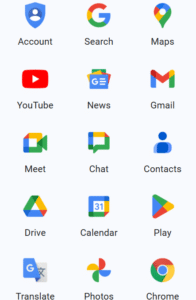
Think Google. While Google boasts a vast portfolio of products and services, like, Search, Maps, YouTube, etc., it maintains a unified web presence under the powerful Google brand.
FedEx is another great example (Express, Ground, Freight, etc.).
This approach simplifies navigation and is ideal for showcasing brand relationships within a unified company structure. However, ensuring each brand gets its due attention within the website requires careful design considerations to avoid overwhelming users with information overload.
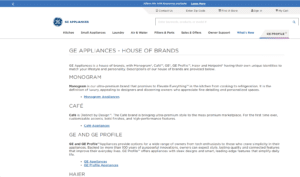
House of Brands: In this model, each brand has its own dedicated website within a subdomain structure.
GE Appliances actually transitioned from branded house to the house of brands approach back in 2018, giving Monogram®, Café™, GE®, GE Profile™, Haier and Hotpoint® their own websites and unique identities.
This approach offers maximum flexibility for brand differentiation and in-depth content creation for each brand. However, it requires more design and maintenance effort in the long run.
“Which one’s better, branded house or house of brands?”
Whether you should choose a branded house or house of brands approach for your website strategy depends on your unique needs and brand goals.
The house of brands approach is ideal if your brands:
- have distinct target audiences or
- require a high degree of independent brand identity.
Branded house is a good fit if you want to:
- emphasize the strength of your master brand and
- simplify navigation for users exploring your product portfolio.
Ultimately, there is no one right answer when it comes to house of brands vs branded house for a website with multiple brands. The best approach is the one that aligns with your overall brand strategy and user experience goals.
Keeping Your Multi-Brand Website Agile and Optimized
A multi-brand website shouldn’t compromise on speed or user experience. Here are some tips for optimal performance:
- Image Optimization: Optimize images for faster loading times to ensure a smooth user experience across all devices.
- Content Delivery Network (CDN): Utilize a CDN to deliver website content efficiently across geographical locations, minimizing latency for users worldwide.
- Website Analytics: Track user behavior and website performance to identify areas for improvement. This data can inform future design decisions and content strategies, ensuring your website remains relevant and user-friendly.
How You Can Achieve a Symphony of Brands With Your Website
Designing a website with multiple sub brands requires a strategic approach that balances brand coherence with individual brand expression. By understanding your brand landscape, focusing on user experience, and employing effective design principles, you can create a website that empowers your brands and resonates with your audience.
Here at Millennium, we’re passionate about helping businesses like yours navigate the complexities of multi-brand website design. We understand the complexities of juggling multiple brands and making your website’s user experience simple and easy to navigate. That’s why we were recognized on FeedSpot’s list of the 25 Best Boston Web Design Blogs and Websites in 2024!
We can assist you with:
- Website Development and Implementation: Leverage the latest web technologies to build a high-performing website that delivers a seamless user experience across all devices.
- User Experience (UX) Design: Craft a user-centric information architecture that allows users to effortlessly navigate between brands and find the information they need quickly.
- Visual Design: Develop a cohesive design language that establishes brand recognition while incorporating subtle variations to reflect each brand’s personality.
- Content Strategy and Development: Create targeted content for each brand that resonates with their specific audience and effectively communicates their value proposition.
- Brand Strategy Workshops: Collaborate with our team to develop a clear understanding of your brand ecosystem and define the unique voice and target audience for each brand.
Ready for a multi-brand website that drives growth?
Don’t let the challenges of multi-brand website design hold you back. Let’s discuss how we can help you create a website that celebrates your entire brand family and drives business growth. You can reach us here.
About Millennium Agency
Millennium Agency is a nationally recognized, top woman led B2B branding, web, and growth marketing firm who creates value that builds emotionally impactful brands that influences your customer’s buying decision, giving you the competitive advantage. As your industry partner for B2B pharma/biotech, technology and manufacturing, our proprietary research-based framework makes a strong impact and accelerates your brand growth. While you focus on what you do best – running your business successfully – our team will build your brand and drive leads. For more information, visit www.mill.agency or schedule time here.
(Manchester, NH | June 10, 2024) – Millennium Agency is thrilled to have been awarded the coveted Communicator Award of Distinction in the Website Design category for their work on the Connected Families New Hampshire website. This prestigious honor recognizes Millennium’s exceptional design and development efforts, placing them among the top marketing and communications firms globally.
The Communicator Awards, now in their 30th year, celebrate outstanding work across the marketing and communications spectrum. Facing fierce competition from over 3,000 entries worldwide, Millennium’s dedication to creating user-friendly, visually engaging websites has been recognized by the Academy of Interactive and Visual Arts (AIVA).
The Connected Families website showcases Millennium’s ability to translate client needs into a dynamic online experience. The website features a responsive design, compelling visuals, and clear information architecture, ultimately serving as a valuable resource for the Connected Families staff and its audience.
“We’re incredibly proud to receive this recognition from the Communicator Awards,” says Linda Fanaras, CEO and Strategist at Millennium Agency. “This award is a testament to our team’s commitment to delivering exceptional website design solutions that empower our clients to achieve their goals.”
About Millennium Agency
Millennium Agency is a nationally recognized, top woman led B2B branding, positioning, and digital marketing firm who creates value that builds emotionally impactful brands that influences your customer’s buying decision, giving you the competitive advantage. As your industry partner for B2B pharma/biotech, technology and manufacturing, our proprietary research-based framework makes a strong impact and accelerates your brand growth. While you focus on what you do best – running your business successfully – our team will build your brand, and drive leads. For more information, call 877-873-7445 or schedule time here.
###
The Pantone 2024 color of the year is PANTONE 13-1023 Peach Fuzz, which the company characterizes as a “a heartfelt peach hue bringing a feeling of kindness and tenderness, communicating a message of caring and sharing, community and collaboration.” The goal of this color is to bring notes of calm and serenity while being warm and inviting. As we enter the post-pandemic world, brands are looking to create a sense of community and welcoming around their products or services, and this Pantone peach color could help you do just that. By selecting a more pastel, muted color for the year, Pantone is setting the stage for more gentle visual designs that are easier on the eyes and evoke a sense of calm and comfort.
Pantone’s 2024 Color of the Year
Every year, Pantone announces their color of the year. As the respected universal color provider, over 10 million designers utilize Pantone products and colors to brand and design their projects. The goal is to have a consistent, accurate color system across the world that can be replicated and matched with ease. The Pantone color system can be translated across both digital and physical mediums, making it ideal for brands looking to match their digital elements to their packaging and other branded items. Not sure how to harness the 2024 Pantone color of the year? Let us help you understand its value.
The Psychology of Color
The field of color psychology delves into the impact of colors on human behavior and emotions. Understanding the perception of different colors is crucial, as it can significantly sway consumer actions. Warm hues such as red, orange, and yellow have the capacity to elicit excitement, passion, and enthusiasm. Notably, these vibrant colors are often integrated into the branding strategies of food and beverage entities (think Coca-Cola) and are used in compelling calls to action on websites.
On the other hand, cool tones like blue, green, and purple possess a calming effect and are linked to qualities such as trust, stability, and professionalism (think Duolingo and their signature green owl). In terms of branding, finance, and technology, companies frequently leverage these colors to convey a sense of security and reliability. Black is often synonymous with notions of luxury, elegance, and sophistication, while white is emblematic of purity, simplicity, and cleanliness. So, where does Pantone’s color Peach Fuzz fall? Well, somewhere in the middle, of course.
For a deeper understanding of how color shapes perception, explore our full breakdown on color psychology in branding.
Harnessing Pantone’s 2024 Color for Your Brand
Although Peach Fuzz is not a neutral color by any means, its muted, soft tones give the impression of relaxation, making it ideal for brands looking to build trust and community amongst their customers. For B2B brands specifically, this can be a great way to add some personality to branding elements. You don’t need to conduct a full rebrand centered around Peach Fuzz, but rather introduce certain elements that incorporate it. This could be done in the form of social media imagery and graphics, marketing materials, website elements, and certainly packaging. Its muted vibes make it versatile for different applications, from food to retail to tech. Tech and biotech brands can benefit significantly from incorporating this year’s Pantone color because it can add that gentler, more approachable appeal that many firms struggle to establish with their complex products or services. By incorporating Peach Fuzz into your tech brand, you position yourself as trendy and “with the times,” driving customers to your brand with the visual appeal and “hooking them” with your outstanding offerings. If you’re exploring a broader messaging or positioning shift, our Brand180 strategy framework can help you align color, tone, and brand experience in a cohesive way.
How to Use Pantone’s 2024 Color of the Year in Your Brand
If you’re considering Peach Fuzz but aren’t sure where to start, these steps help you apply the color strategically without overhauling your entire identity:
1. Identify the assets with the shortest refresh cycle
Start with areas where color updates are quick and low-commitment:
- Social media graphics
- Email banners
- Website section dividers
- Product launch visuals
- Presentation decks
These short-life assets help you test the color without changing core brand elements.
2. Use Peach Fuzz as an accent—not a replacement
Blend Peach Fuzz into:
- Buttons and micro-interactions
- Illustration accents
- Background gradients
- Packaging highlights
Accent use preserves brand consistency while introducing warmth and approachability.
3. Pair it with your brand’s existing color palette
Peach Fuzz works well with:
- Muted greens
- Deep blues
- Charcoal or slate
- Soft neutrals
This maintains balance and stops the hue from overpowering your design.
4. Apply it where emotional tone matters most
Use Peach Fuzz in places where your audience should feel welcomed or reassured:
- Customer support content
- “About” and “Culture” pages
- Onboarding materials
- Employee/internal communications
The calming psychological tone supports trust-building.
5. Test contrast and accessibility
Ensure text placed over color maintains readable contrast.
Use WCAG-compliant values when layering typography.
6. Measure engagement after deployment
Track:
- Social engagement changes
- CTA interaction rates
- Session duration on updated pages
- A/B test results for Peach-Fuzz-based designs
These insights help determine whether the color is positively affecting user behavior.
What’s Next?
As we mentioned, an entire rebrand with the 2024 Pantone color is not necessary, as it will just become irrelevant in 2025 when the next color is announced. Instead, use Peach Fuzz in materials that have a quicker turnaround time, such as social media graphics and special promotions, new product launches, and simple website design elements. Peach Fuzz should also be considered for internal materials such as employee announcements, calendars, and more. Utilizing it internally can create a sense of community and trust amongst employees and leadership, fostering a more supportive workplace. Whether you like the 2024 Pantone color of the year or not, incorporating it into your brand will position you as modern, trendy, and welcoming.
Not sure how to seamlessly integrate this warm-toned peach into your existing brand elements? The Millennium Agency team knows how to craft content and materials that hit the mark every time. From sleek product packaging design to eye-catching website design, we can craft designs that incorporate Peach Fuzz and reap all of the benefits of the 2024 Pantone color of the year. Our design services team often uses seasonal or trend-based palettes like Peach Fuzz to modernize visual systems without changing a brand’s core identity. Connect with our design experts today and get ahead of the game with professional color design.
A Word from Linda Fanaras, CEO & Strategist of Millennium Agency
I must say that Peach Fuzz deserves some attention for its potential as a source of calm and relaxation. Here’s how it’s a “great color of the year” based on its association with peacefulness and self-reflection, especially in the context of 2024:
While the delicate and muted nature of Peach Fuzz evokes a sense of serenity and tranquility, it’s a departure from the bold and stimulating colors often associated with modern life, offering a soothing visual experience. The peachy tones resemble a gentle sunset or a soft flower, bringing to mind natural elements known for their calming effect. This connection to nature can further promote feelings of peace and balance.
Studies have shown that soft pink and orange tones can have a calming effect on the nervous system, potentially reducing stress and anxiety. While individual responses may vary, Peach Fuzz falls within this spectrum, making it a color choice with potential for relaxation.
This year is a great year for encouraging introspection and inner exploration. It invites a quiet focus on oneself and one’s emotions, fostering a sense of self-reflection and mindfulness. This inward-looking aspect aligns well with the growing emphasis on mental well-being and self-care amongst our culture.
Ultimately, color interpretation is subjective. Peach Fuzz’s characteristics undeniably hold potential for creating a sense of calm and encouraging self-reflection, making it a compelling choice for those seeking inner peace and well-being in 2024. So, let’s take 2024 to do some self-reflection while we embrace relaxation. We could all use it.
Find Millennium Agency on DesignRush.
FAQs About Pantone’s 2024 Color of the Year and Branding
What is the Pantone 2024 Color of the Year?
Pantone selected 13-1023 Peach Fuzz, a soft, warm peach tone intended to evoke calm, comfort, empathy, and community.
Why does the Color of the Year matter for branding?
Pantone’s selection often influences design trends across digital, packaging, retail, and brand identity. Using it helps brands appear current, connected, and culturally aware.
Should I rebrand using Peach Fuzz?
No—full rebrands based on annual color trends date quickly. Use Peach Fuzz as an accent in temporary or fast-turn assets instead.
Is Peach Fuzz appropriate for B2B brands?
Yes. Its warmth softens otherwise technical or complex industries (like biotech, SaaS, and manufacturing), helping brands feel more approachable.
How do I make Peach Fuzz accessible in digital design?
Maintain strong contrast, pair it with deeper tones for typography, and test accessibility using tools like WebAIM’s contrast checker.
Does Peach Fuzz work with existing brand palettes?
Usually. Its muted nature blends well with cool neutrals, deep blues, greens, and darker grayscale tones.
Where should I use Peach Fuzz internally?
Employee spotlights, HR materials, onboarding, presentation decks, and internal calendars all benefit from its welcoming aesthetic.
About Millennium Agency
Millennium Agency is a nationally recognized, top woman led B2B branding, positioning, and digital marketing firm who creates value that builds emotionally impactful brands that influences your customer’s buying decision, giving you the competitive advantage. As your industry partner for B2B pharma/biotech, technology and manufacturing, our proprietary research-based framework makes a strong impact and accelerates your brand growth. While you focus on what you do best – running your business successfully – our team will build your brand and drive leads. For more information, call 877-873-7445 or schedule time here.
A successful online presence is key, and a well-thought-out user interface (UI) and a seamless user experience (UX) are crucial to business success. Especially with many businesses moving online, customers are not hard-pressed for alternatives; competition between businesses is fierce and user expectations are constantly on the rise.
This is where the importance of UI/UX design cannot be overstated, as it shapes how users interact with a website or application. They are the bridge between your brand and your audience, and getting them right is critical for businesses looking to grow and bolster their online brand.
As the main platform of user interaction, the UI and UX design of your website directly impacts conversion rates. Conversion rates measure how effectively your online platform encourages users to take action, whether that is making a purchase, subscribing to a newsletter, or filling out a contact form. A high conversion rate is a good sign, meaning that your website not only attracts visitors but also persuades them to take the desired actions, ultimately driving business growth.
One of the most interesting aspects of UI/UX design is its ability to influence customer perception and enhance conversion rates through even the most minute adjustments. In many cases, subtle changes in the layout, color scheme, or placement of elements can lead to remarkable improvements in user engagement. These successes underscore the importance of ongoing optimization and A/B testing to fine-tune a website’s design and user experience;
Let’s explore some real-world examples where customized website design through UI/UX improvements played a crucial role in boosting conversion rates and driving meaningful results.
1. A Simple Registration Process
User-friendly website design is crucial to delivering a good customer experience. Customers are spoiled for choice with many other alternatives, and hence brands need to go beyond their product to deliver great customer experience.
When it comes to the UX of their website, simple things such as simplifying the registration process, improving payment convenience, optimizing page loading speed, ensuring seamless navigation, and enhancing security are vital factors that can positively impact conversion rates and customer satisfaction.
For example, looking at Pinterest’s registration process, its simple design increases the ease of signing up for new customers and as such, encourages conversions. This is done through the use of a popup with a dimmed background for the registration form, encouraging users to focus on the form itself. The form itself is also simple, with just a handful of fields to fill in as well as options to go for a one-click sign-up process with Google or Facebook.
With registration processes, they should be as convenient and simple for customers as possible. One of the most important steps when creating a registration or sign-up process is to consider the user’s reasons for signing up and using that to create your registration page.
2. The Power of Customer Reviews
Customer reviews and testimonials go a long way in encouraging purchases. For first-time buyers, they get insights from customer reviews and they use these insights to inform their purchasing decisions. In fact, about 95% of customers read reviews before making a purchase.
With the importance of customer reviews on purchase decisions, review pages need to have a great UI/UX design to aid customers in making these decisions, rather than frustrate them. This goes beyond simply putting the reviews on your website. Merely incorporating reviews into your platform may fall short if buried deep within your website or tucked away at the bottom of a page, where they risk going unnoticed.
To emphasize the impact of customer reviews, consider the case of Walmart’s review page. Walmart provides a decimal average score out of the total number of reviews, giving customers a more accurate estimate of the product’s quality, as well as the number of reviewers for them to estimate the reliability of this average score. Furthermore, the review page also breaks down the reviews by product attributes, such as ‘material’, ‘color’, and ‘fit’. This allows customers to get a better overview of the product and assess the product based on the specific product attributes that they are looking for.
By designing your review page based on what users are looking for and bettering the user experience, customers are more inclined to make purchases, increasing conversions.
3. Achieving Visual Harmony
Besides an intuitive user interface and great user experience, another important aspect of a website design is visual design. A great website uses not only informative content and creates an immersive visual experience but also includes eye-catching graphics and design that retain user attention.
Visual elements, such as product photos, illustrations, or infographics, can play a huge role in how potential customers and website visitors view your brand and whether they choose to engage with content. A visually pleasing and cohesive website design that attracts more attention also encourages users to make purchases, register, or subscribe. Even the smallest details, such as typography and color choice, can contribute to the harmony of the visual experience and impact conversion.
One great example is the visual consistency of Apple’s website. Their use of consistent typography as well as minimalist design across their website and product descriptions reflects their brand’s ideals of simplicity and minimalism. As such, their website design is congruent with their brand’s values of creating products that are “simple in form but sophisticated in function”.
4. Effective Call-To-Action (CTA)
Saying that your call-to-action (CTA) is important for how customers interact with your website would be an understatement. As the key banner or button that encourages users to take action, a well-designed CTA can mean the difference between a customer actually taking action or not.
Having your CTA button in a different color is one straightforward way to create contrast and draw attention to your CTA. Another way is by changing the copy on the CTA button itself. While many may think that CTA button copy has no impact on conversion, that is untrue and people do read it. Apart from your headline, the CTA button copy is one of the few pieces of content that people read the most.
In one example by ContentVerve, they were able to increase click-through rates through simple tweaking of one word in the CTA button copy. They did this by changing the pronoun “your” in “Start your free 30-day trial” to “my”. The use of this more personal determiner in the call-to-action button made it more appealing to customers to click through.
This is just one example of how even small design changes can lead to significant improvements in conversion. This is where A/B testing can come in handy; by trying different CTA variations, businesses can determine the optimal look of their CTA that encourages conversions.
5. Product Image Size
It is no secret that humans are visual creatures; in fact, our brains can identify images seen for as little as 13 milliseconds. As a result, UI/UX design is heavily dependent on visuals and images, as we have been discussing thus far.
When it comes to e-commerce, one major conversion barrier is the lack of sensory experience that decision-makers cannot get, unless they are looking at a product in person. This is why product images are crucial in helping decision-makers make online purchasing decisions and helping businesses increase sales.
Users want to be able to thoroughly inspect the product before buying, and providing large product images for easy viewing can do just that. According to Salsify, 30% of US shoppers will not purchase if product images are missing or low quality.
To boost conversions, businesses need to ensure that B2B product images are large enough on the site or mobile design and high-quality. A user-friendly interface with detailed, clear information and intuitive interaction contributes greatly to product presentation as a whole.
6. Consistent Product Card Grid
Identical and consistent sizing and design throughout your brand website leaves an impression on visitors and can have an impact on your conversion rate. When it comes to organizing website content, the website grid is what forms the basic structure of the website’s user interface.
Having consistent element sized in a website grid plays a crucial role in design as they help create a harmonious and organized user experience. A consistent design is not just aesthetically pleasing, but it also provides structure to the design and facilitates quick absorption of information.
Especially when you are creating mobile sites to facilitate omnichannel shopping, having a consistent grid design will simplify development and adaptation for various devices and resolutions. Consistent grid layouts throughout the webpage and website help increase user-friendliness and encourage conversions.
Conclusion
As we’ve seen throughout this article, even the smallest and seemingly subtle design changes to a website can lead to remarkable improvements in conversion rates. By promoting a user-friendly design and interface, businesses can benefit from improved user engagement and increased conversion rates.
UI/UX design is an ongoing process; continuous improvement, A/B testing, and analysis of conversion rates and touchpoints are vital for refining a website’s design and user experience over time. By investing in UI/UX enhancements and understanding how they impact conversion, businesses can run a successful website that drives traffic.
About Millennium Agency
If you’re interested in taking your UI/UX design to the next level and leveraging it for substantial business growth, consider the top-rated web design services of Millennium Agency. Based in Boston and Manchester, New Hampshire, Millennium Agency is a respected branding and digital marketing firm with a team of skilled marketing professionals. They specialize in market research, brand strategy, creative design, website development, and digital marketing. Their expertise can help you connect with your target audience, boost brand awareness, and create a personalized online experience that distinguishes you from competitors. Millennium Agency can be a valuable partner as you work towards sustainable growth and success.
Schedule a meeting to learn more.
Did you know that the average website bounce rate across industries is 47%? This rate hovers over 51% on mobile phones. Shocking, right? This suggests that half of the visitors landing on your website may leave without taking any desired action.
In fact, according to Time Magazine, about 55% of users spend less than 15 seconds actively on a webpage. This sets the stage for some serious user engagement battles in the online world, where over 1.13 million websites are already competing for the user’s attention.
Among all that, it’s truly frustrating to spend your time, effort, and resources on a website that doesn’t seem to be living up to its full potential. Despite your hard work, attracting visitors and retaining their attention to the website seems like the real challenge.
Worry not! Because you are not alone.
All you need are a few key techniques to reduce your bounce rate and maintain user engagement. And we are here to help you with the tips you need.
So let’s get into it.
Reduce Page Load Time
According to a study, 40% of users abandon a website if it takes longer than 3 seconds to load, highlighting the limited patience of users. This is why your web page needs to load instantly if you want the users to stay and engage with web elements.
It is essential to recognize that Google considers page loading speed in its ranking algorithm. Therefore, with good page load speed, you get better SEO rankings, hence attracting more organic traffic. It is a non-negotiable priority that directly impacts user engagement.
Here’s a pro tip: you can conduct page speed tests using free tools like PageSpeed Insights. They will detect the unnecessary elements present on the webpage to improve the loading speed and ensure an engaging user experience.
Deliver Engaging and Value-Driven Content
A fast website is worth nothing if it doesn’t contain valuable content for your audience. Blogs serve as a trusted source of information for about 81% of consumers. Therefore, it is essential that the content you post is captivating and maintains user interest.
Moreover, you need quality content to secure better SEO rankings, as Google prioritizes content that keeps users engaged.
To write engaging content, your first step should be understanding your audience. With this information, you can write high-quality content that resonates with their interests, needs, and personas. The content should not only inform but also develop an emotional connection with the audience. For easy consumption, it should be written clearly and concisely.
Such valuable content is more likely to be shared by your audience, thus making your marketing efforts easier.
Keep the Design Clean and Interactive
As per research conducted by Stanford University, 75% of visitors judge a company’s credibility based on its website design. Another study shows visitors will likely leave a web page within 10 to 20 seconds if they don’t find it attractive.
This is why it is essential to incorporate interactive design and engaging visuals in your webpage. Interactive and clean design has the potential to generate two times more conversions.
To enhance the visual appeal of your website without breaking the bank, consider using affordable images that align with your brand and content. Don’t forget to keep mobile devices in mind, keeping the load time as fast as possible.
Make Navigation Easier
You are running a blog and have invested countless hours researching and writing high-quality content. However, despite your dedication, all your hard work seems to be in vain, as the engagement metrics remain disappointingly low. The major culprit here could be the site navigation.
Research shows that 79% of users scan a webpage instead of reading it thoroughly. This means that, with awful navigation, the users will quickly leave the website.
The solution here is clear. Simplify and re-organize your website’s structure to ensure users find what they need without much hassle. For an even better user experience, keep all the essential links accessible from the main navigation.
Improve Internal Linking Structure
In addition to improving web design and navigation, a good internal linking structure will make it easier for users to search your website. Pages with better and more backlinks rank higher in search results. They also enhance content accessibility, thus allowing users to explore more pages.
Internal linking is also important to distribute the link equity across your website. This increases your SEO ranking and leads to a potential increase in website traffic.
However, ensure that the links are relevant, have descriptive anchor text, and are specific. Don’t forget to test them to make sure they actually work and lead to the right webpage.
Introduce Live Chat or Chatbots
By introducing a chatbot or live chat on your website, visitors can find help anytime they run into a problem. Research suggests that live chat can help increase conversions by 45%. This is true as live chat provides real-time assistance, addressing users’ concerns promptly.
Chatbots are driven by Artificial Intelligence, and they can guide users to relevant content. To develop trust among your audience, you can include a name and photo in the chat box so they don’t feel like talking to a robot. This technique works best in reducing bounce rates and encouraging users to explore further.
For an extra edge, consistently review and analyze chat transcripts to find more ways to enhance visitor interactions.
Conclusion
Low engagement metrics present a big challenge that can be overcome with the right strategic approach. Before anything, you need to digest the harsh reality, which can be issues like a cluttered website, low content quality, or poor response time.
Once you’ve found the issues, the next step is to address them effectively. There is no need to spend several thousand dollars on website revamping. Simple modifications like structuring internal linking, clean visuals, and introducing live chat can make a big difference and enhance user engagement.
Remember that engaging the users on your website is just the first step to turning a random visitor into your customer. Make sure you make the right first impression so it not only drives conversions but also encourages users to share your content.
About Millennium Agency
Millennium Agency is a nationally recognized, top woman led B2B branding, positioning, and digital marketing firm who creates value that builds emotionally impactful brands that influences your customer’s buying decision, giving you the competitive advantage. As your industry partner for B2B pharma/biotech, technology and manufacturing, our proprietary research-based framework makes a strong impact and accelerates your brand growth. While you focus on what you do best – running your business successfully – our team will build your brand, and drive leads. For more information, call 877-873-7445 or schedule time here.
Driving traffic and improving your website’s search engine visibility requires careful planning and strong search engine optimization. Whether you are a big-name B2B brand or a smaller startup, no one is guaranteed that first spot on Google’s organic searches, hence the importance of a successful SEO strategy. Here are our top tips for optimizing your SEO strategy.
Choose Your Keywords Wisely
Keywords can make or break your website’s ranking potential. These are the words and phrases being searched to find key information online. Choosing the right keywords allows your SEO strategies to match your products or service offerings to your customers’ searches. The right keywords can be uncovered through research in both your industry (including competitors) and your target audience. Some useful tools include Google’s Keyword Planner and SEMrush. Once you determine the right keywords for your website, incorporate them into your website organically. This can be done through integrating the keywords in web page content, as well as through blogs, news releases, eBooks, images, meta-descriptions, and more.
Publish Meaningful Content
Search engine optimization would be nothing without content. Content is an outlet for your keywords, whether it be through the main content itself or meta descriptions, headings, subheads, and more. Content can come in many forms, but it should always be focused on your customers and what they need and are interested in. After all, no audience is going to remain engaged in an irrelevant topic. Take this time to utilize the keywords you found to be valuable in your industry and amongst your customers. Be ready to adapt your SEO strategies to new changes and developments in your customers’ interests and needs.
Build Your Reputation with Reliable Sources
Adding valuable links to your content allows you to position your website as an authority in your industry. The more reputable sources used in your content, the higher your chances of ranking higher on search engines. Likewise, when other reputable businesses link to your content, your popularity and authority go up as far as search engine rankings go.
Ensure Your Website is Up to Speed
There is nothing worse than thinking you have found the perfect webpage for what you are looking for, only for the website to be slow and unresponsive. Your website should be responsive to all screen sizes, from mobile phones to desktop computers and everything in between. It is one thing to incorporate your keywords into your website, but it’s a whole different ball game when it comes to search engine optimization strategies. Know what your audience is searching for, when they are searching for it, and where.
Never Stop Evolving
We’ve said it before, and we’ll say it again: a stagnant brand will not be a successful brand. The key to successful search engine optimization is to never stop evolving. Your brand should always be looking and moving forward. To move backwards or remain still is a massive disservice to your brand. Employing the help of an experienced branding firm such as Millennium Agency can boost your website design and SEO rankings. Not sure where to get started? Millennium Agency can help with that. No matter where you are in the brand process, there is always room for improvement. Let us help you reach your potential.
About Millennium Agency
Millennium Agency is a nationally recognized, top woman led B2B branding, positioning, and digital marketing firm who creates value that builds emotionally impactful brands that influences your customer’s buying decision, giving you the competitive advantage. As your industry partner for B2B pharma/biotech, technology and manufacturing, our proprietary research-based framework makes a strong impact and accelerates your brand growth. While you focus on what you do best – running your business successfully – our team will build your brand, and drive leads. For more information, call 877-873-7445 or schedule time here.
Designing a dynamic website that offers a user experience that cannot be forgotten requires careful planning and optimization. Whether this is your initial website design or a website rebrand, you should always design with the user in mind. What will be most appealing? What information should be displayed on the home page? What type of navigation tools should be used? These are all important questions that you should be able to answer using data and previous experience. With that being said, here are our top tips for designing with the user experience in mind.
Use Data to Drive Design
Utilizing data from past and present branding and marketing campaigns allows you to make educated decisions regarding your website design. Data can drive your design efforts by allowing you to uncover what customers are looking for. Are they more direct? Then design a website that gets straight to the point. Do they prefer a brand story to get acquainted with your products? Then harness immersive scrolling to tell that story. Consulting the data you have access to will help you craft your website with the user experience in mind, resulting in a more user-friendly and effective end product.
Immersive Scrolling
Similar to webpage animations and micro-interactions, immersive scrolling is a popular website design strategy that allows you to tell your brand story using visuals and words, often moving through the “story” as viewers scroll through the page. A great example of powerful immersive scrolling can be seen on the Mr. Pops website. In their story, they highlight what they do, their mission statement, customer reviews, and a photo gallery at the bottom.
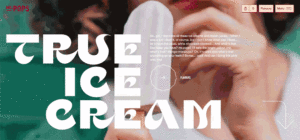
Immersive Scrolling example by Mr. Pops from Codeart’s Article
Immersive scrolling is an excellent way to get viewers who are eager to get to the bottom of the story you are telling to spend more time on your website. Not only that, but the visual appeal results in a dynamic website that catches the eye and draws users in – ultimately boosting the user experience.
Keep Things Minimalistic
The concept of minimalism has evolved as marketing preferences become more and more extravagant and detail-oriented, but there is still a time and a place for it on your website. Minimalist websites should be function-oriented, with nondisruptive negative space, flat elements, and easy navigation. Minimalist websites should also keep in mind what colors they are using, with monochromatic color schemes working the best. A strong minimalistic website can be seen for Hoyle Tanner, a well-known civil engineering firm. The design pictured below features a simple color palette of green, blue, white, and black, giving it a clean and fresh look and feel.
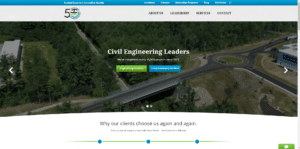
Minimalist Website example by Hoyle Tanner
Their homepage is easy to navigate, with quick direct buttons in place for their most popular services, followed up by a breakdown of why their clients choose them. At the top, they have placed easily readable tabs to select exactly what information the user is looking for. This minimalist design highlights the main points of the company without overwhelming users with too many images and information which cultivates a positive user experience.
Emotional Components
Humans base their decisions on emotions most of the time, rather than logic. This means that having an emotionally impactful website can drive traffic and lead to conversions more often than just pictures and information. Connected Families New Hampshire is a support initiative for children and families experiencing mental health challenges in the state of New Hampshire. Their website deals with highly sensitive users and needed to be emotionally appealing to all.
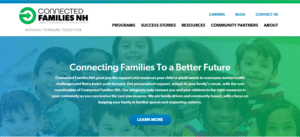
Emotional Appeal example by Connected Families NH
The first line that jumps out at users is “Connecting Families To a Better Future.” This instantly touches on the emotions of viewers, prompting them to think about their own family’s future. Additionally, its main theme is the fact that they are there to help, being a family-driven support system. This is instantly appealing to website visitors, especially those who are currently looking for some sort of help for their family. An experienced web designer will know how to take your brand’s mission and values, and design an emotionally impactful website that acknowledges the user experience.
Consult a Professional
Staying up –to-date on current website design trends is an excellent way to know whether your website is appealing to current users or not. But a professional web designer will be able to translate those trends, along with your goals, into a website that stands out and drives traffic. Web designers have the knowledge and expertise to ensure SEO optimization and a successful user experience, allowing you to sit back and focus on other areas of your brand. Millennium Agency offers eye-catching, conversion-driven website design services that are sure to excite your users. In fact, the Hoyle Tanner and Connected Families NH websites are the product of Millennium Agency’s work! Like what you see? Schedule a call with our team.
About Millennium Agency
Millennium Agency is a nationally recognized, top woman led B2B branding, positioning, and digital marketing firm who creates value that builds emotionally impactful brands that influences your customer’s buying decision, giving you the competitive advantage. As your industry partner for B2B pharma/biotech, technology and manufacturing, our proprietary research-based framework makes a strong impact and accelerates your brand growth. While you focus on what you do best – running your business successfully – our team will build your brand, and drive leads. For more information, call 877-873-7445 or schedule time here.
Having a website is essential for any business. Your website is often the first point of contact for potential customers, and it’s crucial to make a good impression. However, creating a professional website can be a daunting task, and many business owners choose to go it alone. While this may seem like a cost-effective option, it’s not always the best choice in the long run.
Custom Design
One of the primary benefits of hiring a professional web designer is that they can create a custom design for your website. This means that your website will be unique and tailored to your business’s specific needs. A professional web designer will work with you to understand your business goals and create a design that reflects your brand’s personality and values.
Professional Appearance
A professional web designer can create a website that is visually appealing and easy to navigate. They can create a design that represents your brand and gives a professional appearance to your business. The design will be consistent with your brand, and the layout will be easy to understand and navigate, making it easy for your visitors to find what they need quickly.
Competitive Advantage
A well-designed website can give your business a competitive advantage. It can set you apart from your competitors and establish your business as a leader in your industry. A professional web designer can help you achieve this by creating a website that is visually appealing, user-friendly, and optimized for search engines.
User Experience
A professional web designer has experience in designing websites that are user-friendly and easy to navigate. They know how to create a layout that is intuitive and will guide the user through the site’s content. A well-designed website will keep visitors engaged and encourage them to explore further. A website that is difficult to navigate or confusing will turn visitors away and hurt your business’s reputation.
Search Engine Optimization (SEO)
Search Engine Optimization (SEO) is the practice of optimizing your website to rank higher in search engine results pages. A professional web designer will have knowledge of SEO best practices and will design your website with SEO in mind. This will help your website rank higher in search engine results pages and drive more traffic to your site. A professional web designer can create a website that is optimized for search engines. They can ensure that your website’s content is optimized for keywords related to your business, making it easier for your website to rank higher in search engine results pages (SERPs). This can lead to increased visibility and traffic to your website, which can ultimately lead to increased sales and revenue.
Save Time
Creating a website takes time and effort, and as a business owner, you may not have the time to spare. Hiring a professional web designer allows you to focus on running your business while they handle the website design. This can save you time and stress and ensure that your website is up and running quickly. Creating a website can be time-consuming, especially if you don’t have the technical knowledge or experience to do it yourself. Hiring a professional web designer can save you time, as they can create a website quickly and efficiently. This allows you to focus on other aspects of your business, such as marketing, sales, and customer service.
Consistency
A professional web designer will ensure that your website is consistent with your brand’s image and message. This includes using the same fonts, colors, and imagery throughout the site. Consistency is essential in building brand recognition and trust, and a professional web designer can ensure that your website reflects your brand’s identity.
Future Growth
A professional web designer will design your website with future growth in mind. They will create a website that is scalable and can be easily updated as your business grows and evolves. This means that your website can adapt to new technologies and trends, ensuring that it remains relevant and effective for years to come.
Support
A professional web designer will provide support for your website after it’s launched. This includes ongoing maintenance, updates, and troubleshooting. Knowing that you have professional support available can give you peace of mind and ensure that your website is always functioning at its best.
Return on Investment (ROI)
Finally, hiring a professional web designer can provide a return on investment (ROI) for your business. A well-designed website can attract more visitors, generate leads, and increase sales. It can also improve your brand’s image and reputation, leading
Mobile Responsive Design
In today’s world, more people are accessing the internet on their mobile devices than on desktops. Therefore, having a website that is mobile responsive is crucial. A professional web designer can create a website that is optimized for mobile devices, making it easy for visitors to access your site on their smartphones or tablets. This will help you reach a wider audience and improve your website’s usability. More and more people are accessing the internet on their mobile devices, and it’s essential that your website is optimized for mobile. A professional web designer will create a website that is mobile-responsive, meaning it will adjust to fit the screen size of any device. This ensures that your website is accessible to everyone, regardless of the device they are using.
Faster Load Times
The speed at which your website loads is crucial to its success. Visitors will quickly leave a website that takes too long to load, which can result in lost business. A professional web designer can optimize your website’s loading speed, making it load quickly and efficiently. This can improve your website’s user experience, which can lead to increased engagement and conversions.
Improved Security
Security is a critical aspect of any website. A professional web designer can ensure that your website is secure and protected against hacking attempts and other security threats. They can implement security measures such as SSL certificates, firewalls, and malware scanners to keep your website safe and secure.
Technical Support
A professional web designer can provide technical support to ensure that your website is running smoothly. They can troubleshoot any issues that arise, ensuring that your website is always up and running. This can save you time and money in the long run, as you won’t have to spend time trying to fix technical issues yourself.
Cost-Effective
Hiring a professional web designer may seem expensive at first glance, but it can actually be cost-effective in the long run. A professional web designer can create a website that is optimized for search engines, mobile devices, and user experience, which can ultimately lead to increased sales and revenue. In addition, a professional web designer can ensure that your website is secure and protected against security threats, saving you money in the long run.
most important components of that online presence, and it’s the first point of contact between a business and its potential customers. As such, it’s essential for businesses to have a well-designed website that represents their brand and values. That’s where a web designer comes in.
A web designer is a professional who specializes in designing and creating websites. They work closely with their clients to understand their needs and preferences and to create a website that meets their requirements. A web designer is responsible for everything from the layout and visual design to the functionality and usability of a website.
About Millennium Agency
Millennium Agency is a nationally recognized, top woman led B2B branding, positioning, and digital marketing firm who creates value that builds emotionally impactful brands that influences your customer’s buying decision, giving you the competitive advantage. As your industry partner for B2B pharma/biotech, technology and manufacturing, our proprietary research-based framework makes a strong impact and accelerates your brand growth. While you focus on what you do best – running your business successfully – our team will build your brand, and drive leads. For more information, call 877-873-7445 or schedule time here.