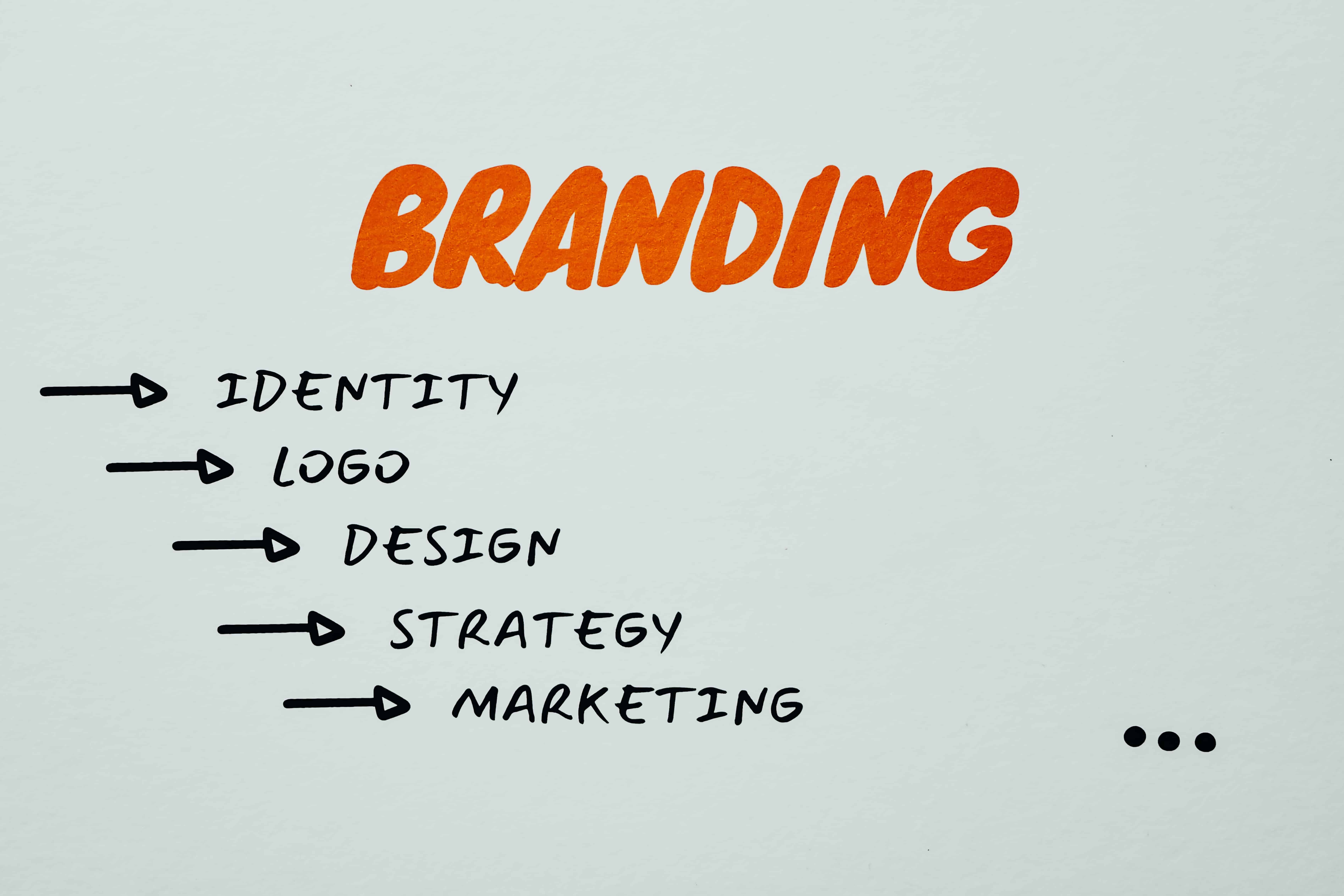
Whether you are a startup or an established B2B biotech company, effective branding strategies can significantly impact your business’s growth and reputation. Biotech branding involves much more than just designing a logo and choosing colors; it encompasses the perception, trust, and recognition that your brand evokes in the minds of your target audience. In this blog, we will explore some crucial branding strategies to help you create a powerful and enduring B2B biotech brand.

1. Define Your Unique Value Proposition (UVP)

The first step in biotech branding is to clearly define your Unique Value Proposition (UVP). What sets your biotech brand apart from the competition? Identify the unique benefits and solutions you offer other businesses in the biotech industry. Whether it’s innovative technology, exceptional customer service, or cutting-edge research, your UVP should communicate why potential clients should choose you over your competitors.

2. Focus on Your Target Audience

Understand your target audience and their specific needs. In B2B biotech branding, your customers are likely professionals in the scientific and medical fields. Tailor your branding message to address their pain points and provide valuable solutions. Use language and imagery that resonate with this audience and demonstrate your expertise in their domain.

3. Establish Thought Leadership

Position your biotech brand as a thought leader in the industry. Publish authoritative content, such as whitepapers, research papers, and blog posts, that showcases your expertise and knowledge. Participate in industry events, conferences, and webinars to share insights and engage with potential clients. By establishing thought leadership, you build credibility and trust, which are vital for successful B2B biotech branding.

4. Consistent Visual Identity

Consistency in your visual identity is crucial for biotech branding. Design a logo and choose a color palette that reflects the essence of your brand and remains consistent across all marketing materials, including your website, social media, and promotional materials. A cohesive visual identity reinforces brand recognition and makes your company easily identifiable in the crowded biotech landscape.

5. Craft Engaging Content

Content marketing plays a significant role in B2B branding. Create high-quality, informative, and engaging content that educates your target audience about your products, services, and industry trends. Use different formats, such as videos, infographics, and case studies, to cater to various learning preferences. Valuable content establishes your brand as a trusted resource and encourages potential clients to seek your expertise.

6. Leverage Social Media

Social media is an indispensable tool for biotech branding. Choose the platforms that align with your target audience and industry. Share your content, engage with your audience, and participate in relevant discussions. Social media allows you to build relationships and demonstrate your brand’s personality, leading to better connections with potential clients.

7. Partner with Influencers and Key Opinion Leaders (KOLs)

Collaborating with influential figures in the biotech industry can boost your brand’s credibility and visibility. Identify thought leaders and KOLs who align with your brand values and mission. Work with them on co-creating content, hosting webinars, or participating in events. Their endorsement can go a long way toward gaining the trust of potential clients.

8. Monitor and Measure Performance

Regularly monitor and measure the performance of your branding strategies. Use analytics to assess the impact of your content, social media engagement, and other marketing efforts. This data will provide valuable insights into what works and what needs improvement, allowing you to refine your biotech branding strategy for optimal results. 

Take Your Time

In conclusion, biotech branding requires a well-thought-out strategy that showcases your unique value proposition, establishes thought leadership, and builds credibility within your target audience. By focusing on consistency, engaging content, and leveraging digital platforms, your B2B biotech brand can carve a distinct identity in a competitive market. Remember, successful biotech branding is an ongoing process that requires adaptation to industry trends and customer needs to stay relevant and impactful. 

About Millennium Agency    

Millennium Agency is a nationally recognized, top woman led B2B branding, positioning, and digital marketing firm who creates value that builds emotionally impactful brands that influences your customer’s buying decision, giving you the competitive advantage. As your industry partner for B2B pharma/biotech, technology and manufacturing, our proprietary research-based framework makes a strong impact and accelerates your brand growth. While you focus on what you do best – running your business successfully – our team will build your brand, and drive leads.  For more information, call 877-873-7445 or schedule time here. 

In the B2B (business-to-business) landscape, the significance of a robust brand strategy often gets overlooked. In this blog, we’ll explore the numerous advantages that a well-defined B2B branding strategy can bring to your business, ultimately leading to long-term growth and success. 

Trust and Credibility 

In the realm of B2B transactions, trust is a foundational element for successful partnerships. A well-crafted brand strategy instills confidence in potential clients, showcasing your company as reliable and credible. By clearly communicating your brand’s values, mission, and expertise, you can create a positive perception of your business and foster strong relationships with partners, suppliers, and customers. 

Differentiation in a Competitive Market 

The B2B market is often crowded with multiple players offering similar products or services. In such a competitive landscape, a strong brand strategy sets your business apart from the rest. It highlights your unique selling propositions, industry expertise, and distinct approach to problem-solving. This differentiation not only attracts new clients but also helps in retaining existing ones, as they identify your brand as the go-to solution in their domain. 

Enhanced Brand Recognition and Recall 

Consistency is key when it comes to branding. A well-crafted B2B brand strategy ensures that your company’s visual identity, tone, and messaging remain uniform across all communication channels. This consistent branding helps reinforce brand recognition, making it easier for potential clients to remember and recall your business when the need arises. Over time, this leads to increased brand loyalty and recurring business opportunities. 

Improved Customer Loyalty 

A strong B2B brand strategy goes beyond attracting new clients; it also focuses on nurturing existing customer relationships. By consistently delivering on your brand promise and providing exceptional customer experiences, you can foster trust and loyalty among your clients. Loyal customers are more likely to advocate for your brand, refer new business, and even forgive occasional mishaps, further boosting your reputation in the market. 

Increased Perceived Value 

An effectively implemented B2B branding strategy can significantly impact how your products or services are perceived in the market. By investing in your brand’s reputation, you elevate the perceived value of your offerings, allowing you to command higher prices compared to competitors. This pricing power not only drives profitability but also positions your business as a premium solution provider. 

Facilitates Employee Engagement 

A strong brand strategy doesn’t just resonate with external stakeholders; it also inspires and engages employees within the organization. When employees understand and believe in the brand’s vision and values, they become more motivated and committed to achieving the company’s objectives. This alignment fosters a positive work culture and empowers your team to be brand ambassadors, positively impacting how the brand is perceived both internally and externally. 

Conclusion 

In the B2B landscape, a strong brand strategy is not just a luxury but a necessity. It builds trust, credibility, and loyalty among clients and partners, setting your business apart from competitors. Consistent branding enhances recognition and recall, while a well-perceived brand allows you to command premium prices and drive long-term growth. By investing in your B2B branding strategy, you lay the foundation for a thriving and sustainable business that stands the test of time. 

About Millennium Agency    

Millennium Agency is a nationally recognized, top woman led B2B branding, positioning, and digital marketing firm who creates value that builds emotionally impactful brands that influences your customer’s buying decision, giving you the competitive advantage. As your industry partner for B2B pharma/biotech, technology and manufacturing, our proprietary research-based framework makes a strong impact and accelerates your brand growth. While you focus on what you do best – running your business successfully – our team will build your brand, and drive leads.  For more information, call 877-873-7445 or schedule time here. 

Brand identity has emerged as a powerful tool for companies to differentiate themselves and establish a strong presence in the market. While many people often associate brand identity with logos and visual elements, it encompasses much more. In the realm of Business-to-Business (B2B) marketing, brand identity plays a critical role in fostering trust, credibility, and loyalty among target audiences. In this blog article, we will explore the importance of brand identity in B2B settings and delve into the key components that contribute to developing a cohesive B2B brand identity. 

Understanding B2B Brand Identity 

Brand identity is the sum of all elements that define a brand’s image and perception in the minds of its audience. In the B2B context, it goes beyond mere visual aesthetics and encapsulates the essence of the company’s values, mission, culture, and promise. A cohesive brand identity allows B2B enterprises to communicate their unique value proposition effectively, resonate with their target clients, and build long-term relationships based on trust and reliability. 

Components of a Cohesive B2B Brand Identity: 

There are several key components to a cohesive and successful brand identity. From brand purpose and values to messaging and voice, you must consider all these aspects for brand success. 

Brand Purpose and Values 

The foundation of any successful B2B brand identity lies in a clear and compelling brand purpose. This purpose defines the company’s reason for existence beyond profit-making, reflecting its vision to solve specific challenges and add value to its customers and stakeholders. Alongside the purpose, core values shape the brand’s behavior, guiding decision-making processes and establishing trust with customers who share similar principles. 

For example, a B2B technology company might have a brand purpose centered around simplifying complex processes for businesses, with values like innovation, integrity, and customer-centricity at its core. 

Target Audience Identification 

Understanding the target audience is essential to crafting a cohesive B2B brand identity. Unlike B2C marketing, B2B marketing involves engaging with various stakeholders, such as decision-makers, influencers, and end-users within a business. Identifying their pain points, needs, and preferences helps create relevant messaging that resonates with the right audience segments. 

Brand Messaging and Voice 

Consistent brand messaging and voice are crucial to maintaining a unified brand identity. The messaging should be clear, concise, and aligned with the brand’s values and purpose. The tone of voice should match the company’s personality and communication style, whether it’s authoritative, friendly, or innovative. A strong and consistent voice fosters recognition and trust among the audience, even in a complex B2B landscape. 

Visual Identity 

While branding is more than just logos, visual elements remain essential in conveying a brand’s personality and creating a lasting impression. A well-designed logo, color palette, typography, and imagery can evoke emotions and establish a connection with the audience. A brand’s visual identity should be applied consistently across all marketing materials, websites, social media platforms, and other touchpoints to reinforce brand recall and recognition. 

Brand Storytelling 

A compelling brand story can significantly influence how customers perceive a B2B company. Through storytelling, businesses can humanize their brand, showcase their journey, highlight their impact, and illustrate how they solve real-world problems. Storytelling connects on an emotional level, making it easier for the audience to relate to the brand and its offerings. 

Customer Experience 

In B2B marketing, the customer experience is a vital component of brand identity. Consistency between what the brand promises and what it delivers builds credibility and fosters loyalty. This encompasses not only the product or service quality but also interactions with customer support, sales representatives, and the overall post-purchase experience. 

Thought Leadership and Content Strategy 

B2B brands can elevate their identity by establishing themselves as thought leaders in their industry. A robust content strategy that provides valuable insights, educates the audience, and addresses their pain points can position the brand as an authoritative resource. Thought leadership contributes to the brand’s credibility and creates a strong association with expertise and innovation. 

Conclusion  

Developing a cohesive B2B brand identity goes far beyond the logo; it requires a strategic approach that aligns the company’s purpose, values, and messaging with the needs of the target audience. A well-defined brand identity helps B2B enterprises stand out in a competitive marketplace, build trust, and cultivate enduring customer relationships. Through consistent communication, visual elements, and customer experiences, B2B brands can establish themselves as industry leaders and drive long-term success. Remember, in the realm of branding, every touchpoint matters, and creating a powerful brand identity is an investment that pays dividends in the long run. 

About Millennium Agency   

Millennium Agency is a nationally recognized, top woman led B2B branding, positioning, and digital marketing firm who creates value that builds emotionally impactful brands that influences your customer’s buying decision, giving you the competitive advantage. As your industry partner for B2B pharma/biotech, technology and manufacturing, our proprietary research-based framework makes a strong impact and accelerates your brand growth. While you focus on what you do best – running your business successfully – our team will build your brand, and drive leads.  For more information, call 877-873-7445 or schedule time here. 


Content marketing helps you generate traffic and leads, while also demonstrating your industry expertise – giving customers a reason to trust your brand. While many may think content marketing has fallen off, it hasn’t it has simply evolved. With many different content marketing options available today from social media content to blog articles to video content it can be hard to hit the mark every time. There is a lot of power in content marketing, but do you know how to create valuable content? Let’s dive in! 

Understanding the Essence of Content Marketing 

Content marketing is a strategic approach that involves creating and distributing valuable, relevant, and consistent content to attract and retain a clearly defined audience. It goes beyond blatant advertising by focusing on building trust, establishing authority, and fostering long-term relationships with customers. By offering insightful information, entertainment, or solutions, content marketing aims to drive profitable customer actions and create brand affinity. 

Know Your Audience 

The key to successful content marketing is to know your audience and write to them. Properly targeted content will hit the mark every time by being relevant and of interest to your customers. Not knowing what your target audience’s interests and needs are will result in content that is flat and lifeless. When evaluating your target audience, ask yourself:  

  • What need are they looking to fill? 
  • What is their current situation? 
  • What are their priorities? 
  • What are their set requirements? 
  • How do they communicate and receive information? 

The last question is one of the most important; knowing how your customers communicate allows you to successfully reach them. Not knowing where your customers browse sets you up to have no clue where to reach your audience, ultimately causing your content marketing to fall flat. 

Defining Your Objectives 

Before diving into content creation, it is crucial to define your objectives. What do you hope to achieve through content marketing? Are you aiming to increase brand awareness, generate leads, boost conversions, or establish thought leadership? Clearly defining your goals will help shape your content strategy and measure its success accurately. 

Crafting Engaging Content 

Now that you’ve defined your goals, crafting compelling content requires hard work and a clear understanding of your audience. Here are the 4 key elements that make up engaging content marketing: 

  1. Compelling Headlines: Capture attention with captivating headlines that promise value, evoke curiosity, and communicate the essence of your content. Incorporating the keyword you want your content to rank for can optimize your visibility in search engine results.
  2.  Storytelling: Humans are wired for storytelling, so incorporate narratives into your content to captivate your audience. Use personal anecdotes, case studies, or customer success stories to convey your message effectively.
  3.  Quality and Consistency: Ensure your content is of high quality and provides valuable insights and information to your audience. Consistency in delivering content across various channels builds trust and credibility.
  4.  Variety in Formats: Experiment with diverse content formats such as blog posts, videos, infographics, podcasts, and interactive tools. Tailor your content to suit the different preferences and consumption habits of your target audience.

Search Engine Optimization (SEO) 

Optimizing your content for search engines increases its visibility and organic reach. Conduct keyword research to identify relevant terms and incorporate them naturally into your content, including in titles, meta-descriptions, headings, and body text. Prioritize user experience over keyword stuffing to maintain readability and engagement. Stuffing keywords into your content marketing will result in misguided and inconsistent materials that do not keep your audience’s interest. 

Promoting Your Content 

Creating outstanding content is not enough; you must promote it effectively to reach your target audience. Leverage social media platforms, email marketing, influencer collaborations, guest posting, and SEO techniques to amplify your content’s reach. You are your own best spokesperson, so make sure you publicize your content marketing on all of your top performing platforms. Encourage your audience to share your content by incorporating social sharing buttons and providing valuable incentives. 

Analyzing and Iterating 

Continuously monitor the performance of your content marketing efforts using analytics tools. Track metrics like engagement, conversions, click-through rates, and time spent on page. Analyze the data to identify trends, understand what works, and refine your content strategy accordingly. Use the data analytics to better your strategies and cut our what does not work, streamlining your strategies and increasing your return on investment, 

Content Gives You Power 

Content marketing has transformed the way businesses connect with their audience, build brand loyalty, and drive revenue. By embracing the power of content marketing and implementing the strategies outlined in this blog, you can create compelling content that resonates with your target audience, fosters meaningful relationships, and positions your brand as a trusted authority in your industry. So, go ahead, unleash your creativity, and embark on a remarkable content marketing journey to achieve remarkable results. 

About Millennium Agency    

Millennium Agency is a nationally recognized, top woman led B2B branding, positioning, and digital marketing firm who creates value that builds emotionally impactful brands that influences your customer’s buying decision, giving you the competitive advantage. As your industry partner for B2B pharma/biotech, technology and manufacturing, our proprietary research-based framework makes a strong impact and accelerates your brand growth. While you focus on what you do best – running your business successfully – our team will build your brand, and drive leads.  For more information, call 877-873-7445 or schedule time here.