
The driving force behind every branding campaign is the audience persona, and effectively targeting it is key. Your audience persona is essentially the characteristics and behaviors of your ideal audience. More specifically, it is who you want to sell to. Your target audience, on the other hand, is the umbrella term used to describe a group of different audience personas that your brand markets to. Multiple companies can have the same target audience, but your audience personas could be different based on preferences, behaviors and attitudes. Let’s talk about how brands create target audiences:
How Target Audiences Form
Your target audience is the market segment you want to attract and sell to. Target audiences typically vary from industry to industry, and within those niche audience groups are even more narrow audiences that favor specific products or services.
The best way to determine your target audience is by conducting thorough research into the market and understanding the needs and identities of your potential and current buyers. This research is conducted via surveys and following up with customers to gain insight into their experience with your company.
When forming your target audience, you should ask yourself some of these questions:
- What consumer need does my brand meet?
- Who is likely to desire my products or services?
- What does my brand offer consumers that the competition does not?
Although you may have a general understanding of the answers to these questions, diving deeper into your brand’s core identity is the best way to formulate your ideal audience persona. Your target market is more general, and could consist of groupings such as:
- Age
- Gender
- Sexuality
- Education status
- Physical location
- Religious affiliation
- Relationship status
Because these groupings are so broad, you and your competition’s target audiences will likely overlap to some degree. This is why it is crucial to conduct thorough market research when establishing exactly who your target audience is and the personas that exist. Your brand’s target audience may not have a direct classification for every single one of the above categories or groupings. Still, the more you know about your target audience, the more successful you will be at engaging them in a way that grows your brand.
How Audience Personas Dive Deeper
They Humanize Your Customers
Unlike your target audience, which is broader and can be shared among industry competitors, your audience persona is unique to your brand. Your audience persona essentially humanizes your customers in order to help you successfully meet their needs. Being able to provide and understand market data to maintain your audience persona allows you to understand how and why certain aspects of your brand do or do not do well. By humanizing your audience, you can better understand and meet their needs, and use these insights to increase your brand awareness.
They Take Advantage of Market Research
When forming your audience persona, focus on the concrete, collected market data. Avoid generalizing or making assumptions about your audience. You want to specifically look closely at who they are and what their needs are. For example, if you know that your brand aims to be preferred by “women in their mid- to late twenties who work in the retail industry and have an interest in fashion,” you are going to be able to market your brand and its offerings with more success than if you were to aim for “adult women” in general. Companies can aim to sell to various demographics for any number of reasons. However, market research informs your brand about your ideal audience and allows you to pinpoint and reach your brand’s unique audience persona more effectively.
They Help You Better Understand Your Audience
A major component of your audience persona is also your targeted audience’s habits. Being able to pinpoint which members of the overall audience are going to be specifically interested in your brand’s offerings presents you with a leg up in the market. You want to imagine the person behind the choices and try to understand the thought process that goes into their selection process when they are selecting where and who to do business with. The audience persona is so much more than the general makeup of your consumers, it is the core identity which drives their decision-making processes.
Benefits of a Distinct Audience Persona
Saves Time and Money
Establish a distinct audience persona for your brand to maximize your efforts. Being able to present your brand to the right audience in an efficient, streamlined way saves you big when it comes to time, and the overall return on your investment into branding efforts. Understanding your audience persona from the start of your brand also prevents the need to return to the drawing board. Instead of hitting the market and adjusting your brand as you go, anticipate and understand those needs ahead of time. This positions your brand as “in touch” with its audience and the current state of the market. The resulting market perception for your brand makes it clear what your brand does and who it is for.
Increases Customer Loyalty
An audience persona can also prove helpful to brands when it comes to generating and maintaining customer loyalty. Demonstrating that you understand and aim to solve your consumers’ problems goes such a long way. The right audience persona can also inspire trust among your consumers. Present your audience persona clearly and reflect it throughout your brand to allow potential and current customers to fully grasp what you can do for them.
Helps Grow Referral Marketing
In addition to consumer trust, having a distinct audience persona helps your brand grow in multiple ways. When consumers have a clear picture of who your brand is for, not only are they able to consider whether your brand is right for themselves, but they are more likely to refer it to others. Your audience persona should be clear enough that when consumers see it, they can tell right away “this brand is for ___.” From there, it should resonate enough that if the initial audience is not interested, your brand will remain in their mental library when it comes to referring others. Referrals are one of the best kept marketing secrets that require little investment beyond the setup, but have the potential to bring in measurable success, in fact a successful referral program within B2B marketing has a 78% chance of generating positive leads for your brand. Being able to establish your unique audience persona from the start of your brand means that all your marketing and branding efforts will be as efficient and productive as possible, reducing the margin of error for failing to meet the correct target audience.
Potential Audience Persona Challenges
Although the benefits of a strong audience persona can result in brand success, there are several ways in which neglecting it can do more harm to your brand than good.
Becoming Irrelevant
As you know the purpose and role of your audience persona is to effectively guide all branding and company decisions. Just as your brand evolves to offer new services and products, your audience persona will also need to evolve. You want to avoid the common mistake of trying to keep your audience persona too broad. Your target audience can remain broad, but tailor and adjust your audience persona as your brand moves forward. Your brand’s audience persona is not going to be what it was five years ago – not updating it as your brand grows can result in your brand becoming irrelevant.
Negative Market Perception
It is one thing for your brand to not have ENOUGH market perception surrounding it, especially at the beginning. But a NEGATIVE market perception means that the market is aware of your brand – it is just not doing well. An unmaintained audience persona can result in a negative market perception for being outdated, inaccurate, too broad, too specific, and too generic, to name a few. Use market research and consumer breakdowns when crafting your audience persona. Otherwise, your brand is sure to fall short of the mark. You are not going to appeal to the correct audience or reach those who have a need or desire for your brand if you cannot create a positive perception for your brand.
Decreased Leads and Loyalty
An unpolished audience persona can cause your brand to see a decrease in leads and customer loyalty. Why? Simply because your target audience does not identify with your brand. When there is no driving force to make people excited about connecting with your brand, there is nothing that indicates your brand is worth considering. Remember: a refined audience persona draws potential customers in and retains their loyalty. An unclear and unpolished audience persona can generate uncertainty and unenthusiastic client reviews. Make sure your audience persona is refined. This will help draw in business and showcase what you can do, rather than generate brand confusion and sabotage sales growth.
Putting Words into Action
Every single brand has a target audience, and those target audiences tend to be more generic and industry specific. In contrast, your audience persona is custom crafted for your brand and its services or products.
A polished audience persona will drive your brand towards considerable growth, but it won’t happen on its own. You need to constantly update and refine your audience perception. Communicating who your brand aims to engage makes it easier for your clients to find and interact with you. This promotes confidence for potential and future clients – confidence that you are the right brand for them.
Develop a well-crafted audience persona and keep it updated. This will help you reach and engage the right audiences for your brand and highlight what you have to offer. If you are unsure of where to begin when it comes to understanding your audience persona, consult a professional branding firm. Working with professionals that have the audience persona process down to a science is the best place to begin. An experienced agency can help you understand your target audience and pinpoint your brand’s precise audience persona to build growth.
About Millennium Agency
Millennium Agency is a national, award-winning boutique branding, messaging and strategy marketing firm for the software technology and manufacturing sectors. A top-led women-owned business, we take your brand and vision seriously and build a strategy that drives brand success. Our expert team unites creative branding, storytelling and data analytics to accelerate your business growth. With offices in Boston and New Hampshire, and a worldwide presence, the professionals at Millennium Agency would like to learn more about your business.
The manufacturing industry may seem straightforward and mundane, when in reality it is one of the most important industries in maintaining global and local economies and the overall socio-economic functions in every community. As a core sector of the economy, manufacturers are tasked with finding ways to adapt and improve their business without getting lost among the countless marketing and advertising methods being used. The key to a successful manufacturing marketing plan is hiring a branding agency that is experienced, knows the latest trends in manufacturing marketing, and understands the ins and outs of the manufacturing industry as a whole. An experienced marketing company has a detailed understanding of the niche audiences that manufacturing businesses entertain, which is crucial because every type of manufacturer has a different, yet specific audience which is not always easily identifiable.
With this in mind, there are five hot trends in manufacturing marketing right now that have risen to popularity as a result of industry strains caused by the COVID-19 pandemic. These are the key sectors to keep a close eye on while marketing and advertising a manufacturing brand in order to maximize growth.
1. Product Experience Paired with Digital Components
As the pandemic has continued, companies across every industry have rushed to refine and perfect the digital components of their business to become more technologically advanced. With the inconsistencies in protocols for workplaces across the country, and even the globe, many manufacturers are having to think quickly and establish digital solutions to bridge the gaps caused by these discrepancies. When it comes to manufacturing marketing specifically, digitalization is key to maintaining and growing consumer communications. Technology lends the ability to establish a multitude of communication channels both internally and externally.
The possibilities of technology driven communication are endless:
- Directly connect customers with team members who are knowledgeable and able to provide customer service in real-time.
- Connect potential customers with clients who have been satisfied by the company’s service.
- Communicate goals and expectations among clients with ease.
- Communicate any protocols and updates which affect the customer, in real time.
Manufacturers that offer digital components to their products give the impression that their company is modernized and up to date with the latest technology, which is advantageous among consumers looking to buy the most advanced products on the market. Additionally, having a digital component allows for streamlined access to customer support and other resources, improving customer satisfaction by making the information they need readily accessible. Every manufacturing company will have varying goals and purposes for their digital components, which is why it is crucial to connect with a marketing and branding agency that is experienced in marketing for manufacturing companies specifically.
2. Personalize Your Manufacturing Brand
In the past few years, one of the values customers have continued to seek out in a manufacturing company is a meaningful connection, and that desire is only going to increase exponentially as 2022 continues. Although manufacturing operations are established with a specific product in mind, it is also important to make sure that your company is well versed in every aspect of production. Many consumers today are interested in more than just a product, they want a unique experience that leaves them feeling informed and involved in every step of the manufacturing process.
One of the core ways that a personal experience can be established through marketing for the manufacturing industry, is establishing a personalized platform that allows customers to relate to company representatives, as well as internal employee-to-employee communications. This strengthens pre-existing partnerships and attracts new clients.
According to Gartner, companies that opt for a “total experience [are expected] to outperform competitors across key satisfaction metrics over the next three years.” By fostering a “total experience” setting, customers feel supported along every step of the way. Manufacturing companies also benefit from these additional channels of communication which allows for faster problem-solving of obstacles along the way in order to achieve full customer satisfaction every time.
A few additional ways in which your manufacturing company can demonstrate their human side are:
- Promoting and writing content focusing on specific team members – staff bios, employee spotlights, and Q&A forums.
- Personalized email marketing communications that come from a human rather than a corporation.
- “Exclusive” opportunities to connect and learn more from employees directly.
When choosing a manufacturing partner, consumers often take the company’s personal connection into consideration. When you show your audience that you are more than just your products and operations, customers feel more comfortable engaging in business with your firm.
Through the integration of strong customer-first marketing strategies, manufacturing can start to feel more approachable to those who may have little to no experience in the industry. In turn, this increases the marketability of the company because they are making themselves more available to a wider audience.
3. Taking up an Initiative
Going into 2022, activism is a topic of conversation in every single industry, which is why one of the core ways to stir up customer engagement is by establishing initiatives and partnerships that do good. It is a known fact that people like to feel that their choices have a positive impact, so aligning your company with a specific initiative widens your audience.
One of the best ways manufacturing companies can get involved is by working towards the sustainability initiative. According to the National Institute of Standards and Technology (U.S. Department of Commerce), 17% of emissions are emitted by the manufacturing industry, and this rate is expected to increase by 26% by 2050.
Some methods to lower your firm’s environmental impact include but are not limited to:
- Planet-friendly components and packaging that can be recycled after use.
- Sustainable manufacturing practices that focus on reducing the number of single-use materials involved in production.
- Reduction of manufacturing facility emissions and waste production by closely monitoring how much waste is generated, as well as how it is disposed of.
Once again, as many manufacturing companies are taking on this environmental sustainability identity, it is important to commission and collaborate with an experienced marketing agency that has the ability to set your company’s initiative apart from the rest and ensure that it stands out.
From a marketing standpoint, aligning your manufacturing company with an environmentally conscious initiative not only makes your company more marketable to a wider audience, but also paves the way for partnerships and jobs that you otherwise would not have been eligible for, such as clients who pride themselves on being “green,” or clients who are looking too support companies that have a cause. Every manufacturing company produces emissions, but not every company introduces measures to reduce them. By marketing your manufacturing firm as environmentally friendly, you will begin to see substantial growth within your brand.
4. Data Monetization
Aside from marketing strategies that target customer and audience engagement for 2022, the rush to become fully digitized will continue. With many day-to-day operations transitioning to digital platforms, manufacturing companies risk being overshadowed when it comes to audience reach. Data monetization is the process of obtaining data by using internal and indirect methods, and then using that data to increase financial profits, improve business performance, inform decisions, and improve overall company performance. This strategy is looking to be one of the most useful tools for monitoring trends in manufacturing marketing this year, and it can even be used to inform a multitude of decisions, such as company partnerships, products and services offered, and developing effective marketing strategies.
Some of the most common forms of data monetization include but are not limited to:
- Data sharing with business partners in order to foster a mutually beneficial working relationship.
- Data and information trading with other industries to foster cross-industry relationships.
- The selling of collected data to other businesses.
One of the key details of data monetization is that the benefits go both ways. Not only can a manufacturer’s own gathered data serve as an asset for their company, but it can also be used to leverage new or supporting data from other manufacturers, and it can also stimulate company expansion. Data monetization can also be used to inform development of new services within the existing scope and can also be used as reference and support when expanding into newer manufacturing sectors. Data monetization will be an incredibly popular tactic to use within manufacturing marketing in 2022, because it is more important than ever to establish safety nets and alternative channels of operation in order to be proactive against external disruptions to the manufacturing process. Additionally, data monetization allows manufacturers to continuously supplement profits in the event of supply chain or resource shortages. Regardless of what form of data monetization you adopt, there are a multitude of ways in which your manufacturing company can benefit when trying to improve marketing efforts and stay on top of the latest trends in manufacturing marketing.
5. Simplification of Processes
The 2022 market will place a heavy emphasis on knowledge and transparency, with consumers who do not want any hidden factors present in their business. The manufacturing industry overall is very complex and daunting for outsiders. One of the key marketing tactics your firm can use to boost business is simplifying operations. This does not mean that you need to simplify the production process, but rather develop a new way to display and market operations which is understandable for all audiences. Although you are an expert in the field, many customers are not, and people are more likely to interact and bring business to your company when they feel informed and supported.
Some of the strategies you can use to simplify your brand for consumers include:
- Providing a breakdown of where materials and labor are coming from so that clients are involved in every aspect of the process.
- Highlighting a clear and direct supply chain so that clients fully understand the abilities and limitations of the overall experience.
- Publishing materials that show the day-to-day operations of your facility such as informative videos introducing what your manufacturing plant does, visuals throughout content of actual employees doing the actual work they do, in an effort to increase transparency.
By simplifying the daily operations for consumers, and showcasing it in a way that clients of all backgrounds can easily understand, you are able to market your brand with ease while increasing traffic because people know what they are getting into. By sharing display material and labor breakdowns, supply chain information, and even inside looks into your facilities, you are painting your company in a transparent light. Consumers get to avoid the extra effort of looking into the logistics and specifics of your company, which also allows them to make an informed, confident decision when doing business with you. Being able to market your manufacturing company as simplistic and transparent will drive business and, in turn, elevate your company overall by helping you stand out from competition.
How This Translates
These are the top five upcoming trends in manufacturing marketing for 2022, but there is a wealth of strategies to choose from when it comes to marketing your manufacturing brand. When you hire a marketing agency, it is important that you feel confident in their services and what they can do for you, and by educating yourself on some of the practices and strategies they use, you are setting yourself up to be able to better present the current condition of your brand as well as the goals you would like to set. Regardless of the starting point of your manufacturing firm, a marketing agency has the knowledge and resources to identify pain-points and the goals that will remedy them. Although some marketing efforts can be made internally, connecting with an expert – such as the Millennium Agency team – allows your manufacturing firm to grow, but also stand out from the competition in the field.
About Millennium Agency
Millennium Agency is a national, award-winning boutique branding, messaging, and strategy marketing firm for the B2B technology and manufacturing sectors. A top-led women-owned business, we take your brand and vision seriously and build a strategy that helps drive brand success. Our expert team unites creative branding, storytelling, and data analytics to accelerate your business growth. With offices in Boston and New Hampshire, and a worldwide presence, the professionals at Millennium Agency would like to learn more about your business and discuss how we can help exceed your goals.
Your website costs your manufacturing business money but is it making you sales? If you aren’t sure, you may want to consider digital advertising as a way to boost leads.
Why Does My Manufacturing Business Need Digital Advertising?
Your website is your digital storefront. For many potential clients, it’s the first impression they have of your business. What message do you want to convey?
You want business leaders to know, trust, and ultimately buy your product. Your website should give ample opportunity to contact you via phone, email, or a contact form.
How can you ensure that potential customers can find your website? You need to appear in organic search results, as well as in digital advertising using Google’s network.
All of this is the purview of digital advertising. If you are not getting all of this done, you are missing out on potential sales opportunities.
How Does the Buyer’s Journey Work?
Digital Buyer’s Journey works in the exact same way as advertising in any other medium. You want to nurture potential leads through the buying journey of engaging, educating, and motivating them to buy your products and services.
As with any marketing strategy, you are ultimately working leads through a buyer’s journey, also referred to as a funnel. The marketing funnel takes a prospect through the stages of learning about your product to the final point of a purchasing decision.
- Top of Funnel – People at this point are not sure what they are looking for. They have a problem but do not know what solutions exist. This is a good group to target with blog content.
- Middle of Funnel – This group of people probably know the industry that their solution is in. They may still need to be convinced that your products and services are the right solution for them. Target this group with eBooks, case studies, and white papers behind an email submission form.
- Bottom of Funnel – The people at the bottom of the funnel know exactly what solution they need, your job at this point is to convince them that your brand is the ideal option. Target with service pages, case studies, and how you may be able to solve their problems.
How do SEO Strategies Work?
It is much easier to talk about SEO than it is to do it. Ultimately, you need strategies that help you find leads at certain stages in the buyer’s journey, while you are nurturing them along the process.
Search Engine Optimization
The purpose of search engine optimization (SEO) is to get as many of your pages as possible to show up in the top results of a search engine, organically.
The most basic approach to SEO is keyword research. Find a keyword research tool and try testing different terms that your customers are searching for. You will want a keyword that is high volume but low difficulty.
You may also be given related keywords by the keyword research tool. Search engines expect certain words to appear on certain topics. Make sure you have them.
Search the keyword to see what kind of content you should be writing. From here, you will want to write your content using the keywords you found.
How does Social Media Advertising Work?
Social Posts
Ranking in search engines is important, but it leaves a lot up to chance. To really build your audience, you’ll have to go out on the internet and find clients.
One way to help increase leads is to promote social posts. With a social media advertising strategy, you must construct a buyer persona that you want to target and boost posts and run paid ads to those target markets.
You will need to think about what motivates them, what interests them, and what worries them. Use this to tailor your audience when you promote your posts.
Display Advertising
Google display ads show up on sites outside of the standard timeline/newsfeed. Banner advertising uses simple messaging and compelling graphics to lead prospects to a particular page on your website.
Display ads typically have some sort of offer and are usually geared towards middle to bottom of the funnel leads. Because of this, you will want to have developed them early in the funnel. This is where retargeting comes in.
Retargeting is the process of installing a cookie into your prospect’s browser after they visit your website that then serves them ads based on the content that they interacted with. This tailored digital advertising strategy allows you to nurture leads along the buyer journey.
Hire an Agency to Handle Digital Advertising
To be executed successfully, digital advertising requires a team of writers, researchers, designers, and developers – outside the scope of manufacturing. Outsourcing to a digital marketing agency is the best way to get the most out of your website.
About Millennium Agency
Millennium Agency is a national, award-winning boutique branding, messaging, and strategy marketing firm for the B2B technology and manufacturing sectors. A top-led women-owned business, we take your brand and vision seriously and build a strategy that helps drive brand success. Our expert team unites creative branding, storytelling, and data analytics to accelerate your business growth. With offices in Boston and New Hampshire, and a worldwide presence, the professionals at Millennium Agency would like to learn more about your business.
The metaverse is a virtual environment that is dominating the internet these days. Technology is evolving rapidly and the innovation of the metaverse is just the beginning. This innovation first appeared in fictional movies like Ready Player One, but has now developed into an immersive and interactive global experience.
The growing popularity of virtual and augmented reality has contributed to the trend of the metaverse. Now, marketers are clamoring to find out more.
But, are there real advantages to incorporating the metaverse with your marketing strategies?
Business-to-business marketers (B2B) were slow in adopting digital means, and creating more focus to digital offerings to bring about more brand awareness, creating a strong online presence and taking advantage of the technology. Now, one of the biggest new platforms for marketing includes the metaverse – and the same “wait-and-see” approach may be history repeating itself for marketers – in other words, don’t wait. Instead, jump in and seize the opportunities that this new technology can provide for your company.
The gaming industry was the first to bring about the metaverse. Games provided real-time situations with other players where they could interact and play together, which opened up a new idea for businesses. As a result, the metaverse has unlocked more ways for businesses to become visible and start attracting new customers.
Brands are now realizing the potential that these virtual experiences can provide. The metaverse is new, boasts faster connections, providing more opportunity and allows companies to engage your target audience in a new way.
What is the Metaverse?
The ability to access and develop a virtual world that bridges physical experiences in the digital age is what constitutes the metaverse. All virtual and augmented reality within the internet encompasses the metaverse. Many businesses have recognized that an online presence and digital services and products are a necessity for growth.
The biggest metaverses include games such as Fortnight and Roblox, which lets their players try new things and earn points. In addition, brands can adopt this same experience for their customers, launching virtual games or opportunities to build more brand awareness among your core demographic.
Now, the metaverse provides a virtual reality aspect that experts are seeing massive growth potential in. Their research has them predicting that up to 60 million and 93 million people will be using both virtual and augmented reality just within 2022 alone.
Soon, the metaverse will become the next necessary part of a company’s marketing strategy. If you want to equip your business with marketing tactics for the metaverse, here are some helpful facts to get you started.
Metaverse Facts
Google News now shows over 24.5M search results for the keyword “metaverse news”, growing significantly from only 175k only five months ago. Likewise, LinkedIn shows thousands of people utilizing metaverse in their profile title, headline, and experience.
Likewise, other social media platforms like Instagram show over 762k posts using the hashtag #metaverse, and Twitter shows around 2k uses of the hashtag in just one hour. There is much more focus on this term in the digital realm.
Metaverses rely heavily on visuals, which also help to drive SEO rank and organic traffic. Images and video are highly effective forms of content and should also be implemented within augmented, virtual reality, and 3D experiences for your marketing plans.
Metaverse Marketing
The metaverse is a collective virtual shared space and a place where soon everyone will have an avatar, or virtual version, of themselves. The experience within the metaverse will be 3D for all things, including gaming, creation, exploration, and play.
Marketing for your business includes shifting mindset and adapting virtual reality beyond gaming and play. The goals and objectives are to explore further, collaborate, socialize, and express within the metaverse. The key characteristics in metaverses include:
- A mix of different platforms – different games allow you to bring things from one to another so that they can work together in a metaverse.
- User-generated content – you can create your own content for others to use.
- Interactive content – Games, videos, and other immersive content will give ‘engagement marketing’ a whole new meaning
- Individual agency for users – players can do different activities simultaneously.
- Real-time – the timeline syncs with the real world.
- Fully functional and self-containment – users can sell, invest, and be recognized within the metaverse.
- Continual – metaverses won’t stop when you leave them; they just go on and on.
The global pandemic of COVID-19 opened the doors for technology to lead the way in how people operate within their everyday lives. With all of the new digital opportunities, virtual reality has made its stance in the technology revolution.
Marketers need to understand the value of both Gen Z and millennials as part of their target audience since these generations will be avid users within the metaverse. Therefore, your audience is crucial for generating your content to appeal to the market.
How can Brands Prepare Their Marketing Strategy for the Metaverse?
Including augmented reality and artificial intelligence as part of your digital marketing strategy can be tricky. Marketers will need to research and learn to be ready to change and adapt to the virtual opportunities.
Brands will need to refocus their narratives to fit more dimensions. Embracing emerging technology will happen more quickly to create in the metaverse. However, the value of your customers is at the forefront still, just as it would be for any business.
To be discovered in the metaverse, your marketing strategy needs to include targeted SEO, such as utilizing the term “metaverse” in your headlines, products, or brand name. In addition, creating virtual experiences on your website and listings will go a long way to adapting your marketing tactics.
Think about the ability to try out something with a 3D experience before buying. You could try on shoes, glasses, a hat – the possibilities are limitless. You can perform various training and tutorials, apply makeup, and more. These are all examples of how your brand’s content strategy can substantially impact the metaverse.
Incorporating virtual connections for an online experience where people can interact without leaving home allows your audience to grow as well. Think about attending a place with other people in a virtual setting. Or being able to see and experience a product or service together – this is all possible within the metaverse.
Creative Ways to Start Using the Metaverse
The digital world and physical world co-exist in the metaverse, and you can start using some tactics to bring them together:
- Host or attend a VR event so that you can soak up knowledge on the inner workings. Some platforms you can use include AltSpace VR or Facebook Horizon.
- Create public relations content using augmented reality to stand out when you tell your stories or promote new launches for your products or services.
- Interact and follow other analysts or journalists who are covering these virtual reality experiences and the metaverse.
- Set up your Google Alerts to follow “metaverse” in the news. Every step to learning more about how your brand can insert itself within the metaverse is helpful.
- Start to create content using AR as soon as possible. Sometimes jumping right into using the technology can help your marketing teams to learn it more easily.
Your platforms should still include technological tools that help to monetize and track your performance so that you can see what virtual experiences are working to bring your business more traffic, purchases, and engagement. For instance, if your audience primarily utilizes YouTube, you can shorten YouTube links and automatic affiliation since these go a long way to help boost sales and revenue.
Advertisements in the Metaverse
Marketing and advertising in the metaverse are still very new, so budgeting for these campaigns is still low and affordable. Therefore, it is an excellent time to jump into learning and start to incorporate it within your marketing strategy.
Your target audience should already be using the metaverse for incorporating it to work for your business. Remember that regular advertisements won’t work, and your teams will have to think more creatively and focus on engagement. Think about developing marketing experiences that will tie in with real-world experiences and demonstrate the product or service in an innovative way.
For example, Stella Artois collaborated with Zed Run to make a Tamagotchi experience along with the Kentucky Derby. The brand is known for sponsoring sporting events focusing on horse races and developed an online platform where NFT horses could be bred, raced, and traded.
You should strive to take advantage of providing your potential customers with immersive experiences in your ads and marketing campaigns. Collaborate with other brands that can help you develop these experiences, and you will be surprised at the new income streams built!
Offerings in the Metaverse
Your marketing strategy can include showcasing consumer interests. For example, people like to collect things, so you can create an experience within the metaverse to offer collectible items they can only obtain during their experience with your brand.
An excellent example is the Gucci Garden experience on Roblox. They offer what is called “The Collector’s Room,” allowing people to collect limited edition items in the metaverse. Their initial sales of the items collected 286M from the game.
Collaborating with Existing Communities for Engagement
People don’t like the hard sell and can be opposed to straight advertising. So when your brand is working on gaining traction in the metaverse, work to establish a rapport and positive connection with the people already there.
Partnering with other members in the metaverse communities can help you develop your new experiences and items. Working with experts already on the platform will help you learn more about reaching your customers. Incorporate these influencers as part of your campaigns so that members already within the metaverse can help lead your business in the right direction.
Keep Experimenting
Your marketing teams can experiment with different tactics. The metaverse is a new platform, and the best practices to reach new heights have not been established. Work to find other untried methods and ways to develop visibility within the metaverse, much like how your teams worked to see these innovative campaigns for the internet.
Strategies can include many marketing techniques utilized across the internet, from incorporating video to virtual billboards. Think big during the process as you begin to engage within the metaverse. Don’t limit yourself, have your marketers attempt as many avenues as possible to help connect to your target market.
The Future of Metaverses
It is possible to create virtual beings as they are already a part of our lives (like Alexa). You should consider making a virtual being that looks like the CEO or someone to be the face of the brand. Leveraging this technology will be the wave of the future. There are many other reasons why marketers are moving over to the metaverse, such as being able to more precisely target your demographic and develop authentic connections for a one-of-a-kind experience.
Think about what the global pandemic created; the significant shift to staying at home and working remotely has created a boom in the workforce. Companies are now being trained to lead meetings through video conferences, webinar demonstrations, and customer service has become more automated.
Technology has skyrocketed, and the digital, online world is taking the lead. Finding ways to offer clients a way to use your products and services without having to leave the house will only be exacerbated with the use of the metaverse. The key is determining how your business can create that exceptional experience to develop growth, loyalty, and, most importantly, retention.
Metaverse technology offers a more customized experience and gives the customer the reins to control how they interact on the platform. It goes beyond the impact of a video; prospective clients can interact with and learn more about your product and service without constraint. It essentially provides a more emotionally-driven experience.
Shifting your marketing strategy to include metaverses will be beneficial for your business. Facebook, Google, and other big names are already changing to incorporate virtual technologies. These other companies making a move is a big sign that virtual reality technology is shifting towards a bigger purpose than entertainment.
About Millennium Agency
Millennium Agency is a national, award-winning boutique branding, messaging and strategy marketing firm for the B2B technology and manufacturing sectors. A top-led, women-owned business, we take your brand and vision seriously and build a strategy that helps drive brand success. Our expert team unites creative branding, storytelling and data analytics to accelerate your business growth. With offices in Boston and New Hampshire, and a worldwide presence, the professionals at Millennium Agency would like to learn more about your business.
Business-to-business (B2B) social media is drastically different than consumer-to-consumer or even business-to-consumer. For example, “you” are not an individual; “you” are an organization or a brand.
How you write, when you publish, and what you discuss are ways in which you humanize your business but maintain a level of approachable professionalism. Social media marketing can be a powerful way to increase conversions and keep your brand top-of-mind. The catch is you have to manage and implement your marketing campaigns correctly. If you are on social media and not seeing the return on investment you expected, odds are you are excluding one or all of these B2B social media marketing best practices:
1. Create and Maintain a Schedule
Execute your social media campaigns in advance, on a six- to twelve-month schedule. This allows content managers to research topics and platforms that will be needed well before due dates arrive. It also provides a fallback for slow news cycles when you need to fill the content gap. However, approving a schedule is only step one; setting the standard for sustaining consistent social media marketing is necessary to successfully leverage social platforms. Intermittent Facebook, Twitter, and LinkedIn posts reduce the likelihood of your overall campaign resulting in lead generation and improved audience awareness.
2. Use Paid Social Media
The average Facebook user has about 338 friends, LinkedIn members at the CEO-level have around 930 connections, over 500 million Tweets are sent every day. There is a lot of noise on social media, and the only way to ensure your message is being received is to utilize paid social marketing. All three primary B2B platforms (Twitter, LinkedIn, and Facebook) include marketing options that require a low minimum budget. The functionality is similar to that of Google Ads; a user selects their campaign goal, bid strategy, and creative content, and the platforms essentially do the rest. As a result, ROI is significantly easier to analyze and improve.
3. Leverage Social Media Targeting
Ever wondered why you see sponsored brands and promoters you have not explicitly connected with in the past in your social media feed? This is due to powerful social media targeting that allows marketers to tailor their ads to reach you. They aim for a specific audience based on things like your browsing history, social network activity, and general interests. By targeting both advertisements and boosted posts, you can reach the right audience that is most likely to interact with your content and potentially convert in the future.
4. Engage Your Audience
Marketers sometimes forget that social media is a form of two-way communication. Rather than talking at your audience, start a conversation with them. Plan and execute a unique Facebook competition to generate buzz. Run a Twitter poll and learn more about user opinion on your product or service. Start a group on LinkedIn where you can talk with industry members and potential clients. With a strong strategy and innovative content, you can influence your audience to organically build brand awareness.
5. Optimize Social Performance
Most social media platforms include tools for analyzing new followers, interactions, and audience activity. Like any successful B2B marketing tactic, benchmarks should be set for social media marketing at which time the entire campaign is reviewed and improved. Creative should be updated at least every other week and calls-to-action should be rewritten based on the timeline of the campaign (month-long sale starts today vs. last day to buy discounted items). One of the most common ways social media marketing plans fail is the “set and forget” approach. This is when you activate a campaign and check back at the end to see how it did. Odds are, you missed out on several opportunities to better reach and engage your audience.
B2B social media marketing best practices are complex and are constantly evolving and adapting to how clients utilize their platforms. If you are struggling to keep up, or need holistic social media tips, contact Linda Fanaras at Millennium Agency.
About Millennium Agency
Millennium Agency is a national, award-winning branding, content/messaging and marketing strategy firm dedicated to the B2B technology and advanced manufacturing sectors. With offices in Boston and New Hampshire, our team unites creative branding, storytelling and data analytics to accelerate your business growth. We unite your vision with our marketing expertise, and focus on increasing your sales opportunities and driving brand success. From strategic thinking to brand development, and concise messaging, Millennium Agency will optimize your marketing efforts every step of the way. Contact the professionals at Millennium Agency to schedule a call.
To be successful in this highly competitive world, businesses need a solid digital marketing strategy and a strong understanding of the benefits of social media presence. While everything was already migrating online, the pandemic has reinforced this plan. As a result, social media has become one of the most powerful tools companies can use to connect with their audience and target specific customer groups. However, social media also comes with some inherent dangers.
2020 was a banner year for cybercriminals. The pandemic brought with it a slew of new hacker groups waging war on the public through cyberattacks, phishing campaigns, ransomware attacks, data breaches, and spam. Unfortunately, cybercriminals use social media often to trick unsuspecting victims. Thankfully, there is a way to avoid getting scammed: an email address lookup verifying the sender’s identity and protecting against fraud.
Statistics of Increased Use of Social Media
According to data from Pew Research, approximately 72% of Americans use some type of social media, compared to only 5% when social media platforms began to develop in 2005. What’s more, 3.6 billion people all over the world use social media. Most users spend roughly 144 minutes per day on social media channels. Some other interesting statistics regarding the use of social media include:
- 57% of consumers follow brands to learn more about their products and services.
- 91% of consumers will engage with the brand after following them on social media (visit their website, recommend them to a family member or friend, or purchase products/services).
- 68% of buyers prefer brand content to be images rather than text.
- 49% of consumers will purchase a product after seeing a brands ad on social media.
Although Facebook is still the most commonly used social platform, other platforms like Instagram, Twitter, Pinterest, and LinkedIn are not far behind. Social media is where the conversation is taking place, and most consumer decisions are based on connections, referrals, and discussions on these platforms.
These staggering figures speak for themselves. Businesses cannot ignore the powerful attraction of social media. If used properly, marketers can turn social media into a customer conversion machine.
5 Benefits of Social Media in Digital Marketing
There are numerous benefits to integrating social media into a company’s digital marketing plan. The top five include:
1. Increased Online Presence
As the statistics suggest, most people who find a brand on social media will seek further engagement by visiting the company’s website, making a purchase, or recommending the brand to a friend or family member. Thus, making social media a go-to source for product information and drives significant traffic to their website.
2. Better SEO Rankings
SEO is a constantly moving target. Nowadays, a company cannot just have an optimized website to attract visitors. Brands must also have a healthy social media presence with links to landing pages for successful SEO. High-quality social media content provides credibility for the brand and instills trust in its customer base, while SEO on these social media posts have their own place in an overall SEO strategy.
3. Raise Customer Awareness/Engagement Through Rich Content
Even top brands can use social media to increase visibility and interact with customers on a personal level. Research has shown that brands that interact deeply with their audience can increase customer satisfaction. Providing quality content is key to getting customers’ attention and keeping it.
4. Improve Brand Loyalty
Another important benefit of using social media in digital marketing is to increase brand loyalty. If customers have a difficult finding a company, they will go elsewhere. A strong social media presence will help customers find and connect easily with the brand, building loyalty, and trust. Customers tend to trust brands they see frequently. Hence, social media marketing should be a top priority for all brands.
5. Save Time and Money
Social media marketing saves a lot of time and money over traditional types of advertising. Some experts believe it is the most cost-effective way to reach consumers and attract repeat customers. Marketers can set up social media accounts for free and post quality content within minutes at no extra cost. The value of social media marketing is priceless.
The key takeaway here is that customers are already using social media. Companies don’t have to do anything extra except meet them where they are. Social media has become one of the most effective ways to attract viewers, interact with consumers, build trust and loyalty, and convert visitors to customers. This is why social media is no longer considered to be on probation, but instead an important role in businesses success.
About Millennium Agency
Millennium Agency is a nationally recognized, leading woman led B2B brand, message positioning and digital marketing agency who knows how to create value that emotionally influences your customers’ buying decisions, without being the lowest-price solution – giving you the competitive advantage. As your trusted partner in B2B software technology and manufacturing, we provide the brand and positioning framework that make an impact – so you can focus on what you do best – run your business successfully. Our process is proven, and we have the stats to share. To learn more about Millennium Agency, call 877.873.7445 or visit www.mill.agency.
Statistics show that the ROI for email marketing is 4200%. This means that for every dollar you invest in email marketing campaigns, you can expect a return of $42. When done right, email marketing can make or break your brand!
With limited resources and tight budgets, investing in innovative emails can reap maximum benefits. The benefits of strategic email marketing campaigns for B2B and B2C marketing are similar. With certain key ingredients such as videos, mobile and desktop optimization, and automation, you can run successful email marketing campaigns.
A digital marketing firm like ours is equipped with the right skills and tools to help you with this. While you focus on offering great products, we help you generate leads and sales with our premium digital marketing services.
At Millennium Agency, you’ll find the best brand strategy services, content writing, advertising, video production, brand positioning, data analytics, and web design to elevate your brand.
Here’s how specific sectors can benefit from dynamic email marketing campaigns:
Software Technology
As technological tycoons, software firms need to stay updated with the latest tech tools, including AI and cryptocurrency platforms. Our goal at Millennium is to help software technology firms strategize their brand using emails to enhance lead generation, ROI, and drive market shares. With email marketing campaigns, you can personalize the content to build brand credibility and improve brand recognition.
Since 91% of users like getting promotional emails from companies they’ve subscribed to, the scope of getting your brand identity across is immense.
Check out our “7 Tips” to learn how to increase ROI for your software company with optimized email marketing headlines.
Advanced Manufacturing
Email marketing campaigns can benefit advanced manufacturing firms by helping them convey concise and clear messages which helps boost real-time marketing. Email marketing campaigns are cost-effective and time-effective while simultaneously generating leads and sales. Moreover, by trusting an experienced digital firm in the sector, you can gain a competitive edge and build your brand even bigger!
Find our free workbook on building a Memorable Manufacturing Brand Strategy here.
CPG and Retail
The Consumer Packaged Goods (CPG) and Retail Industry largely relies on branding and messaging to generate leads and sales.
The CPG Industry has one of the highest email open rates of 18.1%, which can be improved with innovative and solution-oriented campaigns. Hiring a full-service digital agency to optimize search engine optimization and integrate social media with successful email marketing campaigns will boost your B2C brand’s sales.
Find our free CPG Brand Toolkit here.
About Millennium Agency
Millennium Agency is a nationally recognized, top woman led B2B branding, positioning, and digital marketing firm who knows how to create value that emotionally influences your customer’s buying decision, giving you the competitive advantage. As your trusted partner in B2B software technology and manufacturing, we provide the branding and positioning framework that make an impact – so you can focus on what you do best – run your business successfully. With offices in Boston and New Hampshire, and a worldwide presence, the professionals at Millennium Agency would like to learn more about your business. Visit www.mill.agency or book time here.
Today, manufacturing companies are trying to focus on the purchase process of the buyer’s journey that takes place without direct contact. This means prospects are doing their research long before they get in contact with the sales team. With the buyer journey changing, there are new B2B manufacturing marketing strategies and tactics to generate more leads and improve your overall marketing performance.
Do you want to improve your B2B manufacturing marketing strategy to increase leads and generate more sales opportunities? If you focus on these 5 key areas, you will improve your ROI.
Develop Buyer Personas
Before investing any more money in your B2B manufacturing marketing strategy, step back and do a bit of market research into who your buyers really are.
Buyer personas are like avatars crafted from direct interviews with as many buyers as possible, and using their behavior as observed at conferences, on social media, etc. Other characters who influence the buyer’s decision-making process will emerge from this research: procurement people, bosses, rivals, etc.
The more insights and data you can determine, the better your persona target will be. There are many ways to determine the personas for your company and/or products. First, consider researching your own contact data to uncover trends in your current buyers, then interview your customers about what they like/dislike and gather some details on their socioeconomic and demographic data.
Understanding the attitudes, aspirations and values of your target audience is also necessary to ensure marketing efforts are worthwhile.
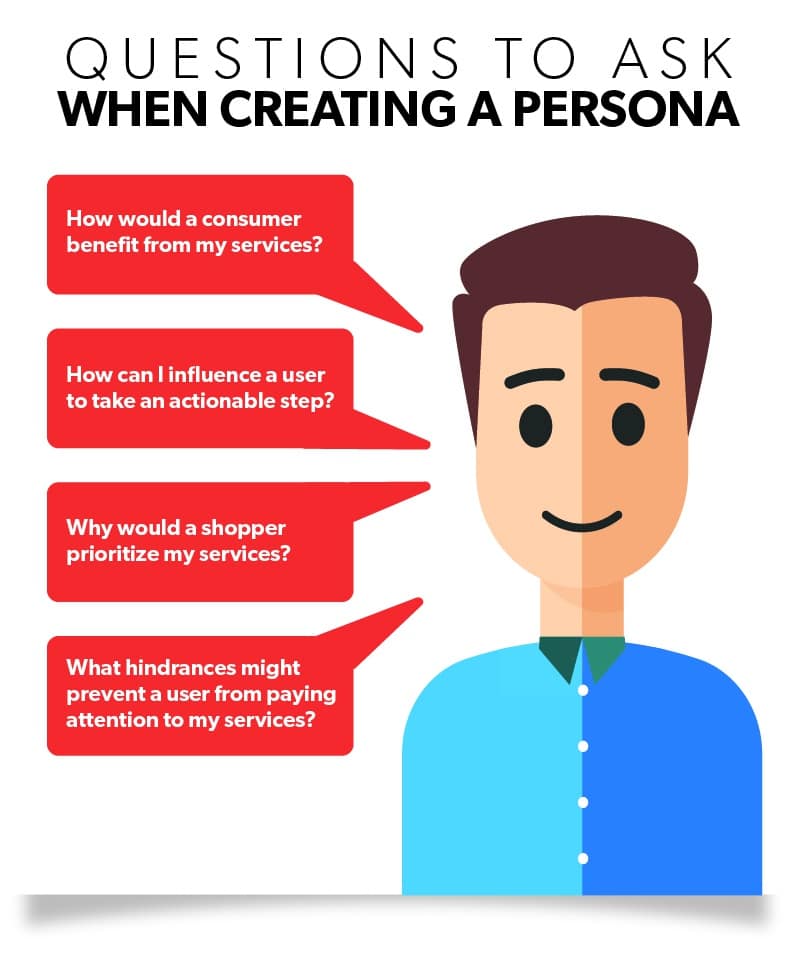
To further develop your persona, answer these questions:
- Why would a shopper prioritize my services?
- How would a consumer benefit from my services?
- What hindrances might prevent a user from paying attention to my services?
- How can I influence a user to take an actionable step?
- What criteria will influence whether or not a business decides to make a purchase? How can I prove my services are superior to alternative options?
Create Engaging Content
One of the few things your prospects might find of interest about you while they search for a manufacturing partner is your online presence and the content your business presents. But there’s a catch. Your content needs to be remarkable, educational, entertaining, or otherwise useful in order to make an impact.
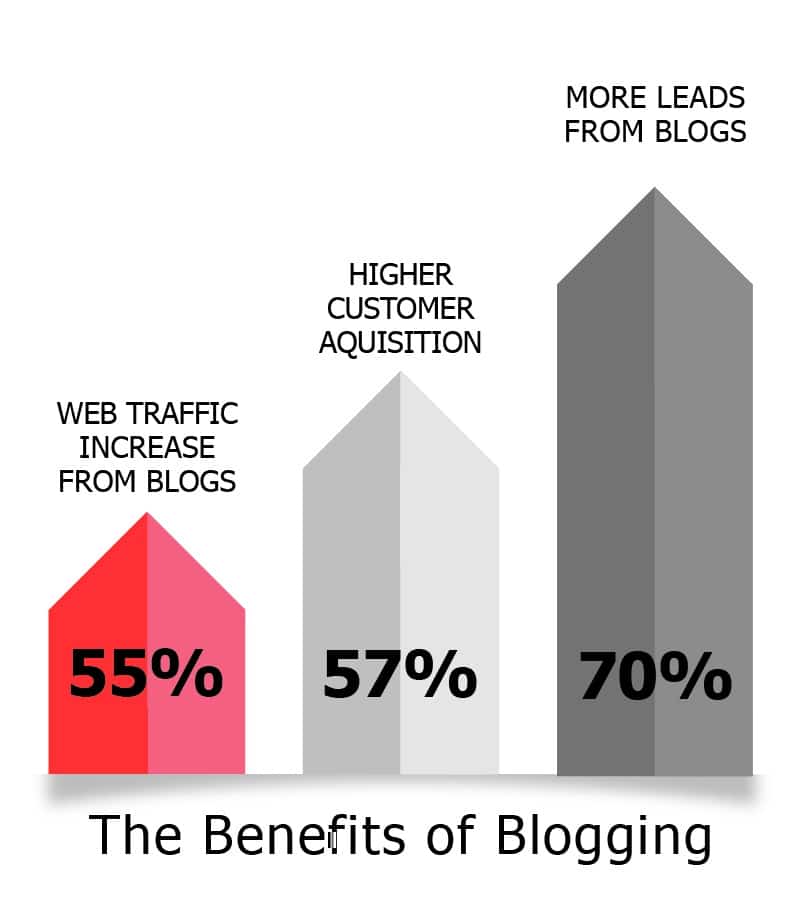
One of the ways to start producing more engaging content is through blogging. Blogging is one of the most powerful B2B marketing tactics that a company can adopt. Each blog post is one more ticket in the search engine lottery for getting found by your prospective customers when they are researching a solution to their problem.
- More traffic: Companies that blog get 55% more website traffic than those that don’t blog.
- More leads: Companies that blog get 70% more leads than those that don’t blog.
- More customers: 57% of companies have acquired a customer through their blog.
Your website content should also be relevant, remarkable, factual, educational, and most importantly, engaging. This is your first impression that prospective businesses will see when looking for a manufacturing partner, so make sure your website content is up-to-date, relevant, and explains how your business solves problems in an engaging way.
Invest in a Modern Website
A website is arguably the most crucial element of your entire B2B manufacturing marketing strategy. Even a simple site without a lead capturing process or sales page will be consulted as a digital business card before a deal is struck or a purchase is made. For this reason, overhauling outdated designs to keep up with industry standards is a no-brainer.
Elevate your overall manufacturing brand image with a new website. Your website should bring your brand’s unique and compelling story to the market, bringing messaging and visual assets together into one memorable, influential, and engaging brand that effectively tells its story.
Integrating modern designs, lead forms, ecommerce storefronts, and calls to action into a website which lacks them, can significantly boost its effectiveness. A modern website can offer a new avenue for your consumers to engage with and experience your brand and it can elevate your brand to the forefront of the manufacturing market.
Use Digital Advertising
Programmatic advertising allows a business to target customers in highly specific demographics – such as industry, occupation, and area of interest – without knowing them in advance.
Digital advertising also takes a lot of different forms. You may be familiar with some:
- PPC Ads: Pay-per-Click (PPC) is a text-based ad popular on search engines and blogs. PPC allows you to get a link and description in front of many readers, and you will only have to pay if they click.
- Display Ads: Display ads are a bit flashier than their text-based counterparts. Along with its relative, banner ads, this form is a little pricey but makes a more lasting impression.
- Social Media Ads: Social media sites like Facebook, Twitter and LinkedIn give your business the ability to target specific users based on their location, demographics, and interests.
- Video Ads: Video ads give your manufacturing company the ability to tell its brand story through engaging, dynamic video content.
With the right digital marketing strategy including pay-per-click (PPC) advertising, online display ads, retargeting and video advertising, prospective manufacturing partners will be able to find you easily.
Lead Nurturing
As mentioned earlier, digital marketing is a great way to capture leads and email addresses. It is also a great central hub for staying in touch with the leads that you already have, and keeping your manufacturing brand at the forefront of their minds. By developing a robust sales funnel and using personalized outreach solutions, you can close more deals and bring more prospects on board.
One of the oldest and most effective lead nurturing mechanisms in digital marketing is email outreach, and for B2B companies, it remains at the very top. Dedicated nurturing campaigns can be crafted with services like MailChimp to drip information, offers, and newsletters to your prospects over a period of weeks or months.
With the right content mix, tailored to the right audience, sent at the right time, manufacturing businesses can gradually inform prospects about their manufacturing solutions, and eventually inspire them to become recurring customers. The lead nurturing process is about engaging prospective customers in a dialogue and building a trusted relationship with them.
Final Thoughts
No matter the size, we understand your business, why you sell, and how you sell it. Clear and focused brand strategies can help your manufacturing firm navigate long term growth. With these B2B manufacturing marketing strategy tips in mind, your manufacturing company will be able to maximize its ROI and generate new businesses.
About Millennium Agency
Millennium Agency is a nationally recognized, top woman led B2B branding, positioning, and digital marketing firm who knows how to create value that emotionally influences your customer’s buying decision, giving you the competitive advantage. As your trusted partner in B2B software technology and manufacturing, we provide the branding and positioning framework that make an impact – so you can focus on what you do best – run your business successfully. With offices in Boston and New Hampshire, and a worldwide presence, the professionals at Millennium Agency would like to learn more about your business. Visit www.mill.agency or book time here.
Email remains a reliable, convenient way to send out your tech company’s latest announcements and engage with your audience. And yet, it still comes with one major issue: new subscribers only see new emails from your company, and never receive information you’d sent before they even signed up.
This issue has created a predicament for businesses. Email drip campaigns offer a solution.
What is an Email Drip Marketing Campaign?
To put it simply, email drip campaigns are sets of marketing emails sent out automatically on a schedule. Mail Chimp defines them as a series of automated emails sent to people who take specific action. For any given action, you can choose how many emails to send and the rate at which to send them. These emails can be personalized with data like contact information and specific references to an action the person took.
Drip campaigns have a few defining characteristics which makes them a powerful marketing tool. The content is usually:
- Prewritten and automated
- Sent on a preset schedule based on audience action
- Mapped to important engagement points
How Does an Email Drip Marketing Campaign Work?
According to Business News Daily, email drip campaigns are simple and easy to use. First, you’ll set a trigger, such as a user abandoning their online cart or signing up for your email newsletter. Next, a prewritten email will be sent automatically to your users who take that action. Finally, you can segment your email list however you see fit and assign different triggers to different groups to make sure your email content is specifically targeted.
Some of the many types of drip campaigns include:
- Welcome emails
- Onboarding emails
- Shopping cart abandonment
- Subscription renewal
Why Would Your Tech Company Benefit?
According to research from email marketing software provider Emma, targeted emails produce 18x more revenue than non-targeted emails, since users are more likely to click the links in the emails. Email drip campaigns produce a 119% increase in click-through rates over regular campaigns. According to email marketing automation platform Automizy, “Email drip campaigns can help you guide your leads into your sales funnel and show them how to use your product. The key to making the ideal drip is to customize it according to your industry and business needs. This way you will be able to optimize it based on your target audience’s needs and behavior.”
Mail Chimp believes drip campaigns are so effective because they are targeted, meaning they’re based on a specific action and can be personalized. More than 90% of consumers say they’re more likely to buy from companies that recognize and remember them. Tech companies must utilize these findings strategically because gaining trust from your customers is not always easy.
Email Drip Campaign Best Practices
Forbes recommends that your tech company not use every interaction with a customer to sell product. Rather, the best way for tech companies to sell anything is by showing their customers that they matter. Targeted email drip campaigns are an easy, effective way to do so.
“All of your marketing should subtly inspire trust in consumers,” said OptinMonster co-founder, Thomas Griffin. “For instance, in an email marketing message, you can remind consumers how their data is being used. These subtle reminders will help consumers trust your company with their data and demonstrate to them that your business is transparent and authentic.”
Email drip campaigns offer several other benefits to your tech company, including boosting your customer engagement, increasing product sales, promoting content, nurturing leads and increasing brand awareness. If your tech company needs help starting a drip marketing campaign, reach out today!
About Millennium Agency
Millennium Agency is a national, award-winning, digital, creative, content/PR, and video marketing firm. With offices in Boston and New Hampshire, our team unites creative branding and data analytics to accelerate our clients’ growth, while combining our clients’ vision with our marketing expertise to increase sales opportunities and drive brand success. From video advertising and web design to social media and PR, Millennium can guide your marketing efforts every step of the way. Contact the professionals at Millennium Agency to learn more!
To stay relevant in the manufacturing industry, hiring a digital marketing firm to guide you through B2B marketing can prove fruitful. Millennium Agency’s technological innovation, premium customer service, and vast experience with manufacturing companies have swept the market for over two decades for manufacturing businesses in Boston and Manchester. Free marketing resources like podcasts and eBooks are available now on the Millennium website.
According to research conducted in June 2020 by CMO Survey, manufacturing companies only budget about 4% of their revenue for marketing. However, B2B marketing, with its target-specific approach, can prove to be a budget-friendly and efficient alternative. Here’s how:
Don’t Dull It Down
As a manufacturing company, your solutions and products are made for other businesses. B2B marketing strategies help you reach out to knowledgeable consumers who are familiar with the industry and are looking for a solution. B2B marketing allows you to communicate your message in layman’s terms to this audience. But where should you communicate this message? After Facebook, LinkedIn ranks in second place for an effective B2B marketing platform.
True to Yourself
Direct and clear-cut messages in B2B marketing strategies generate substantial leads. By leveraging credible information in marketing strategies, you can add educational value to an already existing bank of consumer knowledge, helping you establish social credibility in the manufacturing space.
Additionally, B2B marketing enables selling through platforms unique to the industry, thereby garnering greater appreciation of innovative technology and manufacturing and supply chain processes.
The manufacturing landscape is constantly evolving, making devising a long-term brand strategy incredibly difficult. B2B marketing can help your manufacturing firm stand out. If you need assistance developing your B2B manufacturing marketing strategy, contact the brand strategy experts at Millennium Agency and we’ll be happy to help!
About Millennium Agency
Millennium Agency is a national, award-winning, digital, creative, content/PR, and video marketing firm. With offices in Boston and New Hampshire, our team unites creative branding and data analytics to accelerate our clients’ growth, while combining our clients’ vision with our marketing expertise to increase sales opportunities and drive brand success. From video advertising and web design to social media and PR, Millennium can guide your marketing efforts every step of the way. Contact the professionals at Millennium Agency to learn more!