
Every business owner dreams of having a powerhouse brand that dominates its market space. However, it takes time to build your brand identity—not only in your industry, but also in the minds of your target audience.
Why? Because strong brands are built on trust, credibility, and authenticity. They grow through consistent messaging, quality products and services, and meaningful customer experiences.
Your customers ultimately shape your reputation. It’s why people gravitate toward certain companies over others—they align with brands that reflect their values. When customers feel connected, they share your brand with others, fueling loyalty and long-term growth.
What is a strong brand?
A strong brand is more than a recognizable logo or consistent color palette. It’s the total perception customers, prospects, and partners have of your business—shaped by every interaction, message, and experience.
At its best, branding answers critical questions before they’re ever asked:
- Can I trust this company?
- Do they understand my problem?
- Are they different—or just louder?
When branding is weak, businesses rely on heavier promotion and longer sales cycles to compensate. When branding is strong, momentum builds naturally.
Now, let’s look at the real benefits of strong branding.
What are the benefits of a strong brand?
There are endless branding benefits to building and maintaining a strong branding strategy. Here are five of the major benefits of brand success you can expect once your brand becomes a recognizable, trusted presence:
1. Customer recognition.
Brand recognition is often the first benefit companies associate with branding—and for good reason.
A strong brand works to build recognition, one of the most powerful tools in your marketing arsenal. Customers remember brands they trust, and this recognition directly influences buying decisions. When someone is searching for a product or service and your brand is familiar, it instantly becomes an option, even if they don’t yet know much about you. When customers consistently recognize your name, visuals, and messaging, familiarity builds. And familiarity lowers resistance.
But does this actually help make your brand stronger? The numbers say yes: consumers are far more likely to choose a brand that they recognize over something unfamiliar, even if they don’t know a great deal about your company at the time.
Recognition also builds comfort. When customers remember you, they feel like they already know you. With positive experiences, this familiarity becomes loyalty, and loyalty becomes advocacy. If this feeling grows and their experience with your company is a positive one, they will be far more likely to buy from you once, then again, and again, and finally recommend you to others.
If your visual identity could work harder for you, our design services team can help strengthen your brand’s look and feel.
2. Competitive edge in the market.
A competitive edge is what differentiates your brand in the marketplace. When customers recognize and back your brand, it gives your company an advantage over your less easily identifiable competitors. The more recognizable your brand becomes, the more competitive you are against others in your category.
But how do you employ strong branding practices to gain a competitive edge in the market? Start thinking of your brand as a powerful tool. You can use it to help people identify your products and services as the ones that will meet their needs. You can also use it to give them a sense of belonging to a group of like-minded individuals who share common values and beliefs.
A strong brand helps customers quickly understand:
-
What you do differently
-
Who you’re best suited for
-
Why your approach matters
Even iconic innovations started as something entirely different. Bubble wrap? It was originally designed as wallpaper. Brands that listen to their customers and adapt outperform those that don’t.
In addition, consumers often associate certain brands with particular attributes, such as quality, reliability, safety, and trustworthiness. Apple is all about lifestyle, imagination, innovation. Coca-Cola? Bubbly, palatable, refreshing. If you can create a powerful, multisensory brand experience for your consumers, they will not soon forget about you.
When buyers can clearly articulate why one brand stands apart, decision-making becomes simpler. Instead of comparing features line by line, customers choose based on relevance and fit.
That clarity is what turns branding into a competitive advantage.
Make sure to incorporate your best brand attributes into all your messaging materials. This will build a loyal following of fans who choose your brand over the other guys, i.e., your competitive edge.
3. Easy introduction of new products.
Introducing new products becomes easier and more cost-effective once you have a loyal customer base. If you have a loyal brand following, your customers will already be interested in your new products and even anticipate them being released.
A strong brand amplifies that excitement.
The best way to introduce new products is to create a buzz around them. This could mean creating a viral video, launching a social media campaign, or simply releasing a teaser trailer. Once people start talking about your product, word spreads quickly and you may find yourself with a lot of interest in your new product. With a strong brand, that buzz happens organically and immediately.
Think, for a moment, about the effect a strong brand can have on a new product launch. Remember the Taylor Swift Eras Tour Ticketmaster snafu? The behemoth ticket broker had to cancel ticket sales for the event because they “received 3.5 billion system requests that day, four times its previous peak. Two million tickets were sold on Tuesday alone.” That’s right, the mega popstar has built such a strong brand and loyal following that she literally broke the Internet. Talk about brand authority! Your followers may not be as fanatical as Taylor’s “Swifties,” but they can be just as loyal if you play your cards right.
This benefit becomes especially important as companies expand, diversify, or evolve their services. A strong brand creates continuity, helping new products feel like a natural extension rather than a risky departure.
When customers already trust your brand, introducing new offerings becomes significantly easier because you’re not starting from zero—you’re building on established credibility.
4. Customer loyalty and shared values.
Customer loyalty is a powerful force. Recognition and “buzz” help elevate a brand, while the strong ones know how to build upon this momentum to achieve an even greater following. Brand loyalty often lasts a lifetime and even transfers to future generations, so don’t overlook this crucial step when building a brand for the long run.
Customers are also attracted to brands with which they share a common set of values.
When you build a strong brand, you need to convey these values appropriately to build an emotional connection with customers. This is also an effective method for determining your target market if you are struggling with that. Not sure who your ideal customer is? Share your company values loud and clear for the whole world to hear, and when you begin to see who your message resonates with, you will learn who your target audience is.
When customers feel aligned with a brand’s values, voice, and experience, loyalty increases. That loyalty leads to:
-
Repeat business
-
Longer customer lifecycles
-
Increased referrals
Brands that create loyal customers will always outperform those who don’t.
Research shows:
-
75% of American consumers are more likely to remain loyal to brands that understand them personally.
-
61% of consumers globally have stopped doing business with a brand after just one poor service experience.
These two statistics should tell you all you need to know: make sure you are investing enough resources into elevating your brand experience for your customers.
5. Enhanced credibility and ease of purchase.
Why are brands important? They enhance your credibility with customers, your industry, and the marketplace as a whole. As you build your brand’s credibility, you also build recognition, loyalty, and competitiveness.
Trust is one of the most powerful drivers of conversion. We want to buy from companies we like, know, and trust. Put simply, if your brand is credible, you’re far more likely to get the sale.
Everything goes hand-in-hand, and you’ll find that your credibility has a direct connection to customers’ ease of purchase. Make sure that your product or service meets the needs of your target audience and lives up to what’s promised. As a result, your increased credibility will lead to more sales and more positive reviews. This, in turn, will make completing the buying journey much easier for customers who can feel good about making a purchase from a credible brand that people have nothing but nice things to say about.
When your brand communicates clearly and consistently, buyers don’t need excessive reassurance. The brand itself becomes proof.
6. Stronger internal alignment and sales support.
Internal clarity leads to more consistent communication across every touchpoint which directly impacts the customer experience, revealing how one of the most overlooked benefits of branding happens internally.
When branding is clearly defined, it provides internal teams with a shared understanding of how the business should be positioned, how value should be communicated, and what the company stands for.
Sales teams don’t have to rely on personal interpretations when speaking with prospects. Marketing efforts stay focused and consistent instead of shifting from campaign to campaign. Leadership decisions are reinforced by a clear brand direction rather than conflicting priorities.
This alignment results in:
-
More confident sales conversations
-
Clearer messaging across touchpoints
-
Fewer internal disconnects that customers can sense
A strong brand plays a critical role inside the organization, not just in the marketplace. Consistent messaging, tone, and positioning across every department result in customers receiving a clear and reliable impression of the business. Over time, that consistency helps reduce friction, improve communication, and strengthen trust—both internally and externally.
When brand and reality match, credibility increases at every stage of the buyer journey.
7. Greater stability and adaptability as your business grows.
Markets change, competition evolves, and customer expectations shift. A strong brand provides stability and remains adaptable through those changes.
Growth often introduces complexity, and without a strong brand, that complexity can quickly create confusion.
As companies expand—whether by launching new products, entering new markets, or adjusting their strategic focus—a strong brand helps ensure those changes feel intentional and connected. Customers can clearly see how new offerings fit within the broader business, rather than questioning whether the company has lost focus or direction.
When your positioning and messaging are clearly established, your business can grow, adjust, or expand without losing recognition or trust. This kind of brand foundation allows companies to adapt while maintaining continuity.
A clearly established brand provides businesses with the freedom and flexibility to evolve and adapt to changing market conditions without creating uncertainty for customers. Instead of rebuilding awareness with every shift, companies with strong brands carry that equity forward, supporting sustainable growth and long-term stability.
Evaluating the strength of your brand
Now that we have looked at a few strong branding benefits, think about your own company:
- How do you think customers and/or clients view you?
- How much do you need to explain what you do to them?
- Do your employees know who your company is and what they stand for?
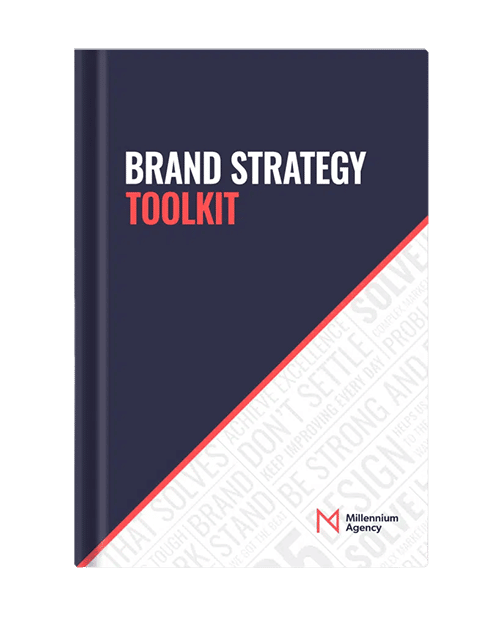
If you have challenges answering any of these questions, it is something to think about. It also might be a good to time to start to research this more for yourself. Here is a link to download our free Brand Strategy Toolkit. It’s a great resource to start to organize your thoughts on your company. Try it today so you can start to engage your customers with the benefits of a strong brand.
How to strengthen your brand (step-by-step)
If you’re still unsure where to begin, here’s a simple framework to help you start strengthening your brand identity:
1. Clarify what your brand stands for.
Document your mission, values, and differentiators. This becomes your core narrative.
2. Evaluate your current visual identity.
Is your logo modern? Do your colors reflect your brand personality? Are your visuals consistent?
If not, a design refresh may be needed.
3. Audit your messaging.
Review your website, collateral, emails, and social posts.
Is the tone consistent? Does it sound like the same brand across every channel?
4. Gather customer insights.
Conduct interviews or surveys to understand how customers actually perceive your brand.
5. Strengthen the customer experience.
Ensure support, communication, and fulfillment reflect your brand values at every step.
6. Launch new brand assets consistently.
Update your brand across touchpoints gradually, maintaining alignment across all channels.
If you want a structured system for this process, our Brand180 strategy framework can guide you through a complete brand realignment.
FAQs
Why is branding important for businesses?
Because buyers are making high-risk decisions. Branding reduces uncertainty, builds trust, and speeds up decision-making.
How long does it take to build a strong brand?
It varies—most brands take months or years of consistent messaging and customer experience to establish strong recognition. Clarity can change perception immediately. Consistency is what compounds results.
Can small businesses benefit from branding?
Yes, often more than large ones. Strong branding doesn’t require corporate budgets—it requires consistency and clarity. Clear brands compete above their weight.
What makes customers loyal to a brand?
Shared values, positive experiences, and trust are the biggest drivers of long-term loyalty.
How do I know if my brand needs a refresh?
If customers seem confused, recognition is low, or messaging feels inconsistent, a brand refresh may be needed.
If you’re ready to strengthen your brand identity, refresh your visual system, or re-align your messaging, contact our team to get started.
About Millennium Agency
Millennium Agency is a national, award-winning, digital, creative, content/PR, and video marketing firm. With offices in Boston and New Hampshire, our team unites creative branding and data analytics to accelerate our clients’ growth, while combining our clients’ vision with our marketing expertise to increase sales opportunities and drive brand success. From video advertising and web design to social media and PR, Millennium can guide your marketing efforts every step of the way. Contact the professionals at Millennium Agency to learn more!
Linda Fanaras is the President and Founder of Millennium Agency located in Manchester, NH, and Boston. She can be reached at 877-873-7445 or [email protected].